



What can portable power stations be used for?
Get reliable power wherever you go—run multiple devices at once with power battery portable and flexible charging options.
Say goodbye to “no power, too few ports, can’t handle high-watt devices, and noisy generators.” With a portable power supply camping setup, you can reliably run lighting, projectors, speakers, fans, and coffee makers with 100W–5000W coverage for worry-free outdoor fun.

Solve “not enough battery, hard to recharge, too many onboard devices” with an rv power station that powers fridges (40–80W), induction cookers, air pumps, and more—plus solar charging for easy top-ups on the go.
No more worrying about “no light at night, cold weather, or food storage without power.” portable power stations for outdoor adventures provide stable AC/DC output for lighting, heaters, and a compact fridge, with insulation protection and short-circuit safeguards for safer off-grid use.
Keep everything powered from payment to serving. A portable outdoor power station reliably runs POS systems, signage lights, fans, and small grills—no outlets or extension cords needed, so you can set up anywhere.
Be ready for unexpected outages with an emergency backup generator that provides stable power for lights, routers, phones, and laptops, and keeps CPAP and other medical devices running for hours—turning power-cut anxiety into peace of mind.
Customized to your load wattage, runtime, port types, and size/weight requirements. We tailor the cell, BMS, enclosure, and charging design for a one-stop delivery.
Still Struggling
with Unreliable Power?
Unstable output, limited usability, and safety risks can all undermine best battery power station reliability.


Power Anxiety
Off-grid battery drain is hard to predict. Continuous use for lighting, phone charging, and communications can run you flat early—causing navigation shutdowns, lost contact, or lights going out when you need them most.


Insufficient Power Output
Projectors, induction cookers, kettles, and heaters can spike at startup. Standard power sources may not handle the surge—triggering alarms and shutdowns, or causing black screens, cooking interruptions, and heater cutoffs.


Not Enough Ports
When camping or running a stall, multiple devices often need power at the same time. Limited and mismatched ports force constant unplugging, and charging while using can reduce overall efficiency and the user experience.


Hard to Recharge
On long road trips or multi-day camping, charging takes too long and recharge windows are short. Power recovery can’t keep up with usage, forcing you to scale back plans and letting battery limits dictate the experience.


Safety Risks
Outdoor use means moisture, dust, and frequent plug-ins, which can wear cables and cause poor connections. Under high power or long runtimes, short-circuit, overcurrent, and overheating risks increase—leading to shutdowns, device damage, and safety concerns.
Need Truly Reliable Power?
Get safe, dependable energy that fits your needs.

Essential Devices, Uninterrupted Power
- Designed for home outages and off-grid emergencies, it prioritizes continuous power for low-watt, high-priority devices and provides real-time battery and I/O power visibility so you can plan usage and stay online when it matters most.
High-Power, Stable Output
- Delivers 100W–5000W coverage with steadier output for smoother startup and uninterrupted operation of high-watt appliances, serving as a 1000w battery power station that can replace gas generators for more reliable on-site power.
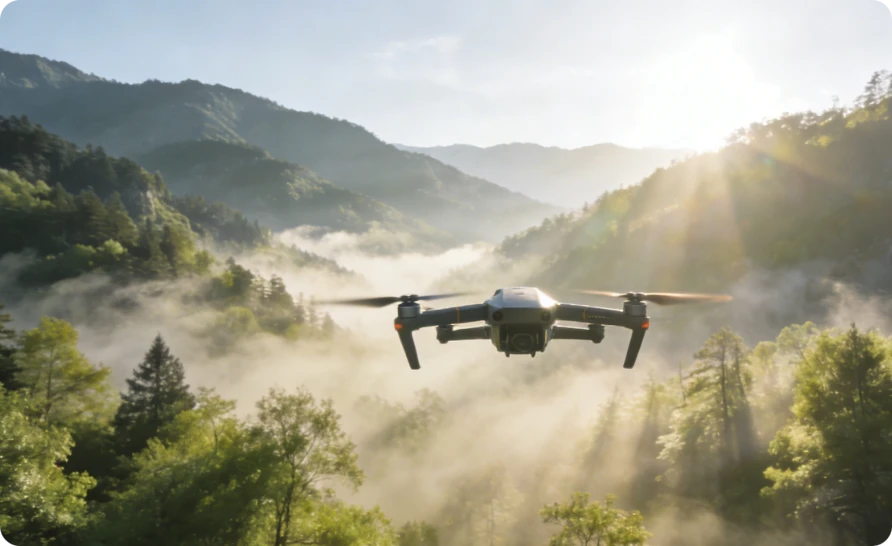
Multi-Port Parallel Power
- Built for mixed devices and port standards, it integrates AC (110V/220V), USB-A/USB-C (PD 60–100W), DC5521, and 12V car output (wireless charging optional on select models), so phones, laptops, and other gear can run simultaneously on the right ports.
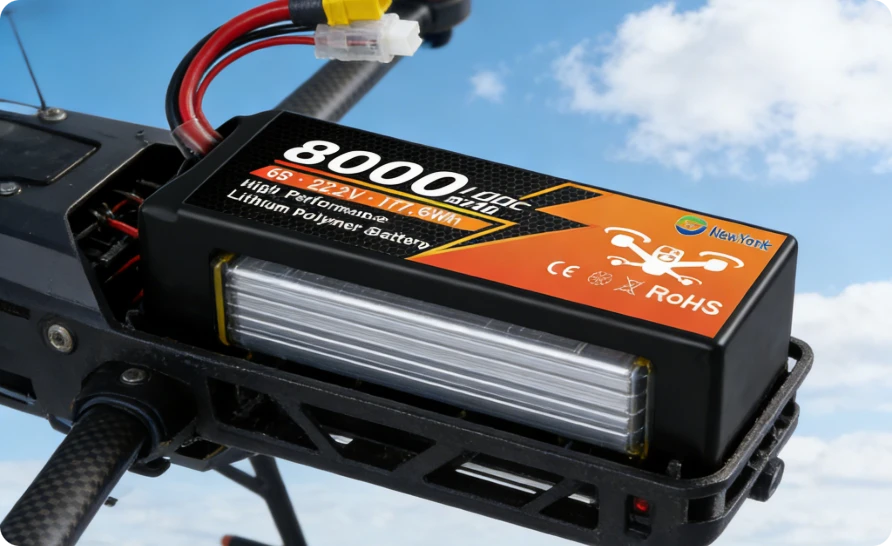
Fast Recharging, Multiple Ways
- Built for road trips and multi-day camping, this camping solar power station supports solar panels, vehicle charging, rapid AC input, and multi-port PD, letting you recharge while driving, harvest energy at camp, or boost quickly during brief breaks. With PD/QC support, refueling stays consistent and options remain versatile.
Multi-Layer BMS Protection
- The BMS monitors battery status in real time and activates protection when abnormalities occur (current limiting or output cutoff) to stop risks before they escalate. Combined with QC testing and certifications from cell to pack, outdoor power stays safer and more predictable.
Related Products
FAQs
Q1:What should I check when comparing portable power supply suppliers?
When evaluating portable power supply suppliers, look at certifications, cell quality, warranty policy, factory audit capability, lead time, after-sales support, and consistency across batches—not just price.
Q2:Is it safe to build a diy battery power station at home?
A diy battery power station can be safe if you use quality cells, a proper BMS, correct fusing, adequate cable gauge, and a well-ventilated enclosure. Poor wiring and missing protection are common causes of overheating and failure.
Q3:Can a portable power station for RV run appliances like a microwave?
A portable power station for RV can run a microwave if the inverter’s rated output and surge capacity are high enough. Check the microwave’s starting surge and continuous watts before deciding.
Q4:What makes the best portable power supply for outdoor use?
The best portable power supply typically offers high-cycle batteries, fast recharging (AC + solar), multiple output ports (AC/USB-C/12V), strong safety protections, and a reliable BMS for stable performance.
Q5:How do I choose the right battery power station for camping capacity?
Start from your devices’ wattage and hours of use. For weekend trips with phones/lights, 300–600Wh can work; for coolers or longer stays, 800–1500Wh is more practical.