


×

key word:

YanKe

36V Lithium Ion Battery Packs

Built Around the Load, Not Just the Voltage

A reliable 36V battery choice starts with the equipment it powers. YATTOX develops 36V lithium ion battery packs around operating current, expected runtime, mounting space and electrical connections.


36V Li-ion Battery Pack Configurations

The voltage class establishes the starting point; cell choice and parallel count shape the finished battery. A 36V Li-ion battery pack typically connects ten cells in series, then adds parallel cells where more capacity is needed. The result affects energy, cell count, size and weight—not simply the number on the label.

36V 10Ah and 20Ah Battery Pack Options

A 36V 10Ah lithium ion battery pack represents 360Wh of nominal energy. A 36V 20Ah lithium ion battery pack doubles that figure to 720Wh at the same nominal voltage. Whether the extra energy translates into longer useful operation depends on load, discharge limits, temperature and the approved cell design.

The following arrangements illustrate how OEM specifications can be configured. They are reference combinations for engineering discussion rather than a published stock list.

Cell format10S arrangementExample cell capacityPack capacityNominal energy
1865010S4P2,500mAh10Ah360Wh
1865010S4P3,500mAh14Ah504Wh
2170010S4P4,500mAh18Ah648Wh
2170010S5P4,000mAh20Ah720Wh

*Reference calculations use 3.6V nominal per cell. Cell availability, discharge limits, protection ratings, dimensions and final suitability must be established for the selected design.*

18650 vs 21700 Cell Options

Choosing between a 36V 18650 battery pack and a 36V 21700 battery pack changes more than the cell count. 18650 formats offer flexible arrangements; some 21700 models provide more capacity per cell. Neither guarantees a higher discharge rating or a smaller pack. Compare the actual cell specifications and finished mechanical layout.
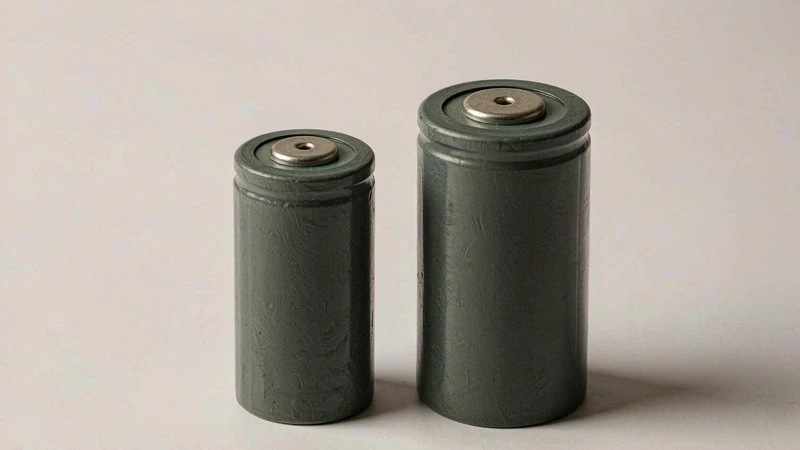
18650 and 21700 cylindrical lithium-ion cells for battery pack design
18650 and 21700 cylindrical cell formats compared for pack design

What Does 10S Mean for a 36V Battery?

Ten lithium-ion cells in series add their voltages. With conventional cells charged to 4.2V each, a 10S pack reaches 42V at full charge, even though its nominal rating may read 36V or 37V. That distinction matters when checking a controller or replacing an older battery.

36V
Nominal — 3.6V-rated cells (10S)
37V
Nominal — 3.7V-rated cells (10S)
42V
Typical full-charge voltage (10 × 4.2V)
10S reference3.6V nominal cell3.7V nominal cell
Nominal pack voltage36V37V
Typical full-charge voltage42V42V
Series count10S10S
Charger requirementFollow approved pack specificationFollow approved pack specification

Can a 36V Battery Use a 42V Charger?

A 42V constant-voltage limit is typical for a 10S lithium-ion pack built from 4.2V-charge cells. It is not a universal approval for every charger labeled 42V. The charging profile, current limit, cell chemistry and pack protection settings also need to match. Before replacing a battery, verify the equipment input limits and the charging arrangement together.

Selecting Battery Capacity and Discharge Current

Capacity answers how long a machine may run. Discharge capability answers whether it can run at all under the required load. Both have to work; a high-Ah pack can still be unsuitable if the controller demands more current than the cells, wiring or BMS are rated to provide.

Estimate Energy Before Runtime

Nominal energy (Wh) = nominal voltage (V) × capacity (Ah). At 36V, 10Ah equals 360Wh, 15Ah equals 540Wh and 20Ah equals 720Wh. For an average 180W battery-side load, 360Wh corresponds to two hours in an idealized calculation. Real runtime will be lower or different according to usable energy, varying demand, system losses, temperature and battery condition.

360Wh
36V × 10Ah
540Wh
36V × 15Ah
720Wh
36V × 20Ah

Check the Controller Before Setting BMS Current

A 500W electrical load corresponds to about 13.9A at 36V nominal; it is only a starting estimate. Battery current varies with load and voltage, while startup and acceleration can add short-duration peaks.

The controller’s battery-side continuous current and maximum battery input current are more useful for selection than motor wattage alone. Controller phase current is not the same as battery input current. Verify the selected cells, BMS, cables and connectors against those battery-side requirements.

🔋
Battery
10S Li-ion pack
36V nominal / 42V full
→
⚡
BMS
Protection & balancing
Current / temperature limits
→
⚙️
Controller
Battery-side continuous
& peak current
→
💨
Motor
Mechanical output
under real load

Selection values to confirm with the equipment maker: battery voltage range · continuous current · peak current · protection thresholds

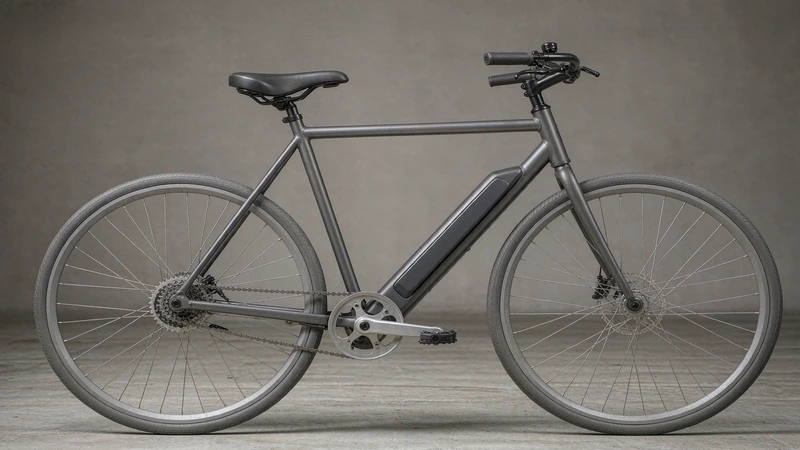
Electric bicycle application illustrating 36V battery integration
Generic e-bike with frame-integrated battery housing — illustrative OEM integration concept

Where 36V Battery Design Requirements Differ

A 36V supply can serve very different machines. What separates one project from another is the load profile, physical mounting arrangement and charging environment—not the application label alone.

🚲36V Lithium-Ion Battery Packs for E-Bikes

For a 36V lithium ion battery pack for ebike development project, three requirements determine the starting configuration. Energy capacity should reflect the riding range target; controller current must account for climbing and acceleration; mechanical compatibility depends on the housing, mounting and discharge/charging connectors. A higher-Ah pack stores more nominal energy, but actual riding distance depends on the complete vehicle and its operating conditions.

🧳Commercial Cleaning and Mobile Equipment

Scrubbers and other mobile equipment often run for long shifts while motors and pumps draw uneven power. The brief should identify average consumption, surge current, available battery space and the time allowed for recharging. A larger pack does not resolve an undersized current path.

🤖Robotics and Automated Machines

Robots may require a low-profile module, controlled connector orientation and defined protection behavior during repeated starts. Voltage range, battery input current, pack footprint and required status signals belong in the initial design review.

*Application examples describe potential OEM design requirements; they are not presented as verified YATTOX customer case studies.*

Custom 36V Battery Pack Engineering

An OEM specification needs to translate the equipment load and duty cycle into an assembly that can be built, connected and evaluated. YATTOX works on custom 36V battery pack designs covering cell arrangement, protection integration, cable and connector selection, and mechanical assembly.

🔋Choose the Cell Around the Duty Cycle

Cell capacity, discharge rate and thermal behavior are reviewed together with the chosen 10S parallel arrangement. The result must fit the available volume and weight constraints without exceeding the selected cell’s limits.

🛡️Set Protection Around Actual Electrical Demand

BMS functions may include overcharge, overdischarge, current and short-circuit protection, temperature monitoring and balancing, depending on the approved configuration. For a motor-driven machine, the controller’s battery-side peaks and shutdown behavior should guide the protection review.

🔧Integrate the Pack into the Equipment

Enclosure shape, insulation, cable routing, connector polarity and mounting geometry affect the finished design. Sample checks can be defined for capacity, voltage, load behavior, protection function and dimensions. The inspection scope, documentation and shipping requirements must follow the agreed product specification.

Information for a 36V Battery Quote

To prepare a useful proposal, please share the equipment conditions and target purchasing quantity:

Required informationDetails to provide
Equipment or applicationDevice type and operating conditions
Capacity or runtimeTarget Ah, Wh or working duration
Electrical loadContinuous and peak battery-side current
Controller and chargerInput voltage range and charging specifications
Installation spaceMaximum dimensions, mounting constraints
ConnectionsConnector type, cable requirements and polarity
Expected order quantityEstimated quantity for the project

An existing battery datasheet or equipment drawing can also help establish the design specification.

Discuss Your 36V Battery Requirements →

Frequently Asked Questions About 36V Battery Packs

Q1: Why can a 36V lithium-ion battery reach 42V?

With ten conventional lithium-ion cells in series, each charged to 4.2V, the full-charge pack voltage is 42V. The 36V figure describes nominal voltage when cells are rated at 3.6V each. Equipment and chargers must be compatible with the full operating range, not only the nominal label.

Q2: Which is better for my equipment: 36V 10Ah or 20Ah?

At 36V nominal, 10Ah provides 360Wh and 20Ah provides 720Wh. More energy may extend runtime, but also affects the cell count, space, weight and cost. Select capacity from actual average load and required operating duration, then verify the chosen cell and BMS can deliver peak current.

Q3: Will a 36V battery run a 500W or 750W motor?

Possibly, but motor wattage is not enough to confirm compatibility. The controller’s battery input voltage, continuous current and peak current establish the real electrical demand. Those values must be compared with the proposed cells, BMS, wiring and connectors.

Q4: Should I choose 18650 or 21700 cells?

Neither has a universal advantage. Some 21700 cells provide more capacity per cell; 18650 models may suit different layouts. Compare the actual cell data, pack dimensions, weight and discharge rating before finalizing the battery structure.

Q5: What does YATTOX need for a custom 36V battery project?

The most useful starting details are the equipment voltage range, operating and maximum battery-side current, preferred capacity or runtime, charger information, installation space and connector requirements. These define the initial electrical and mechanical design review.

Q6: Can a sample be reviewed before volume production?

Sample feasibility, testing scope, pricing and timing depend on cell selection, the BMS, enclosure requirements and project-specific checks. They can be discussed after the core electrical and mechanical specifications are established.