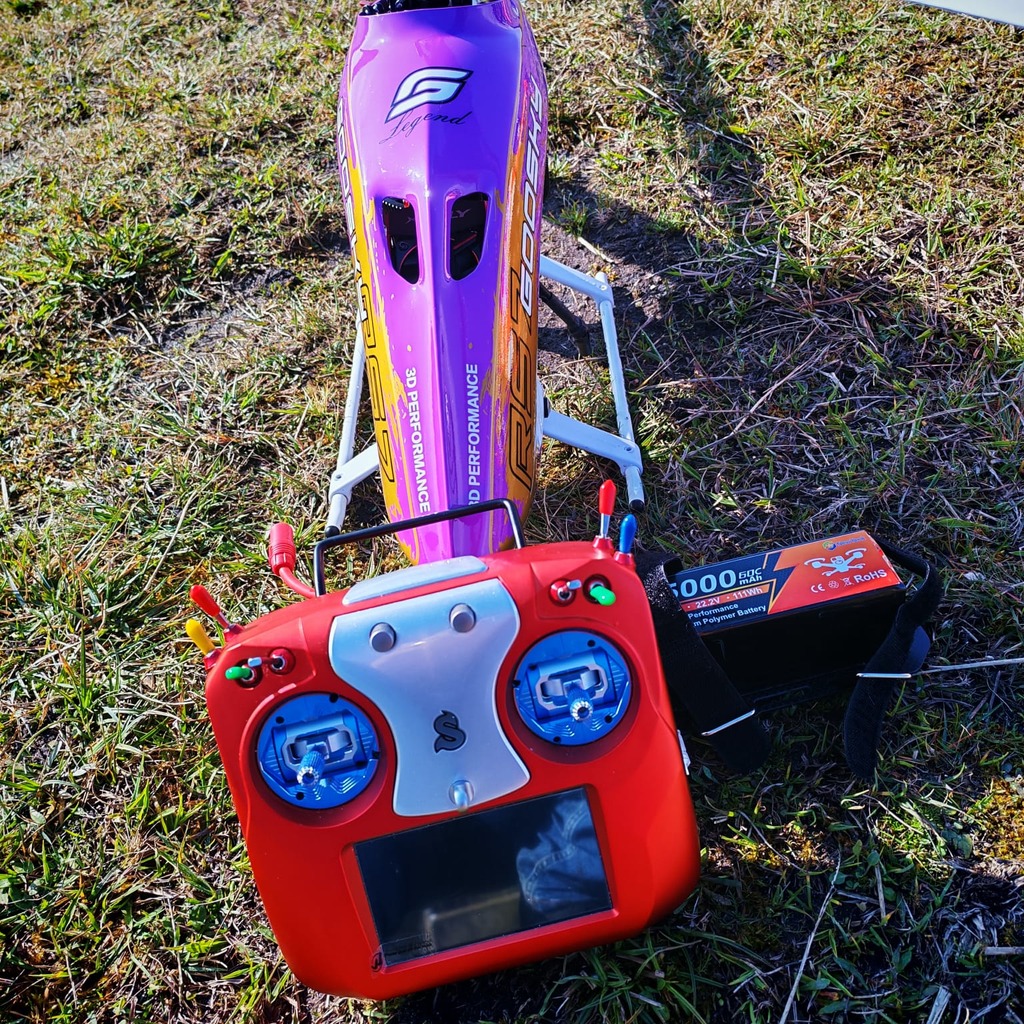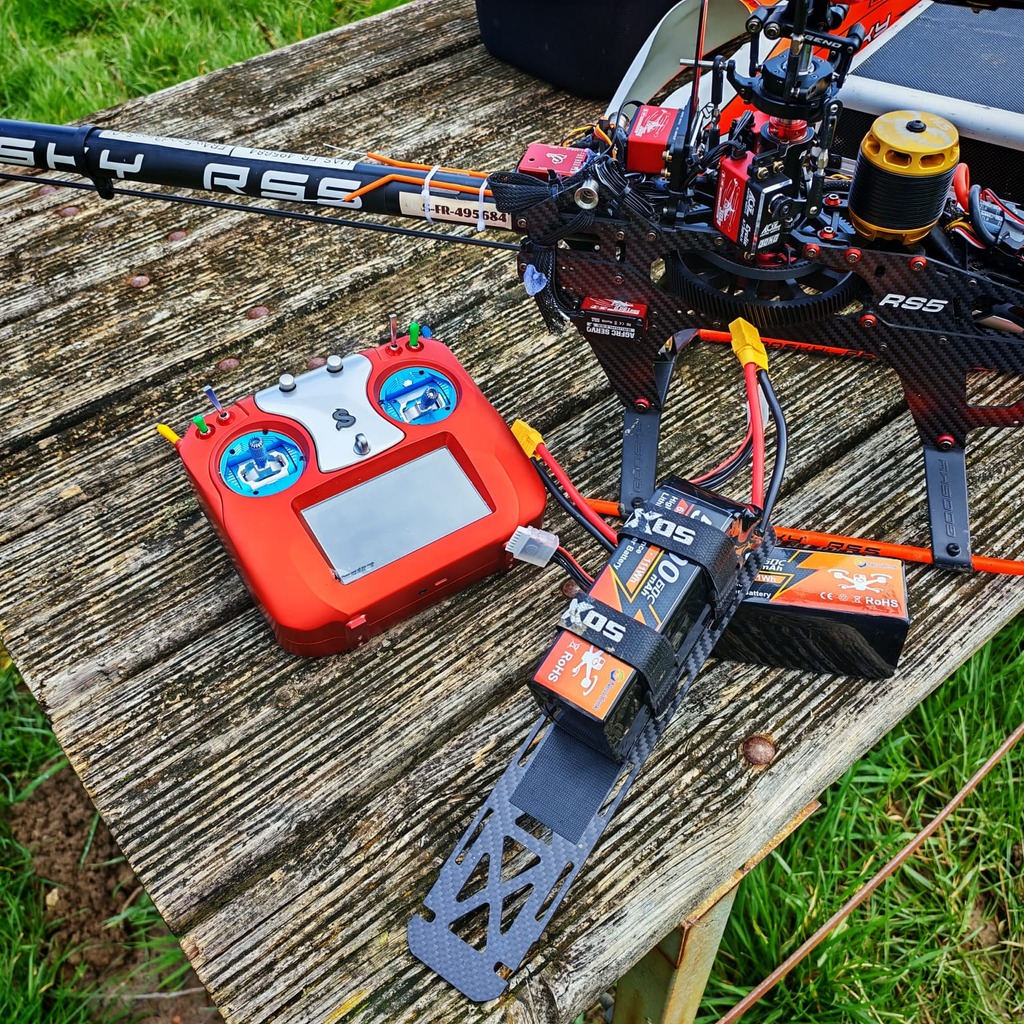


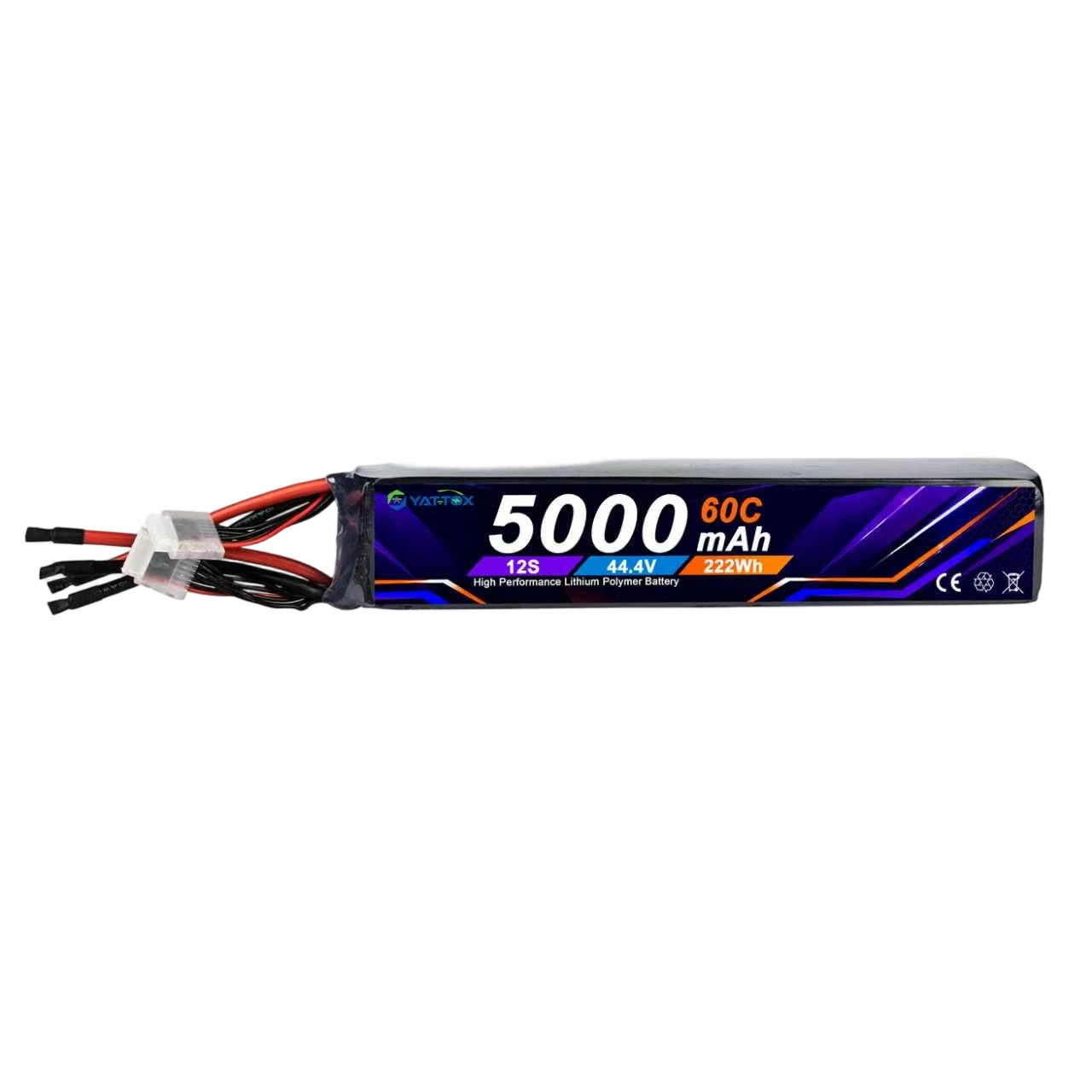
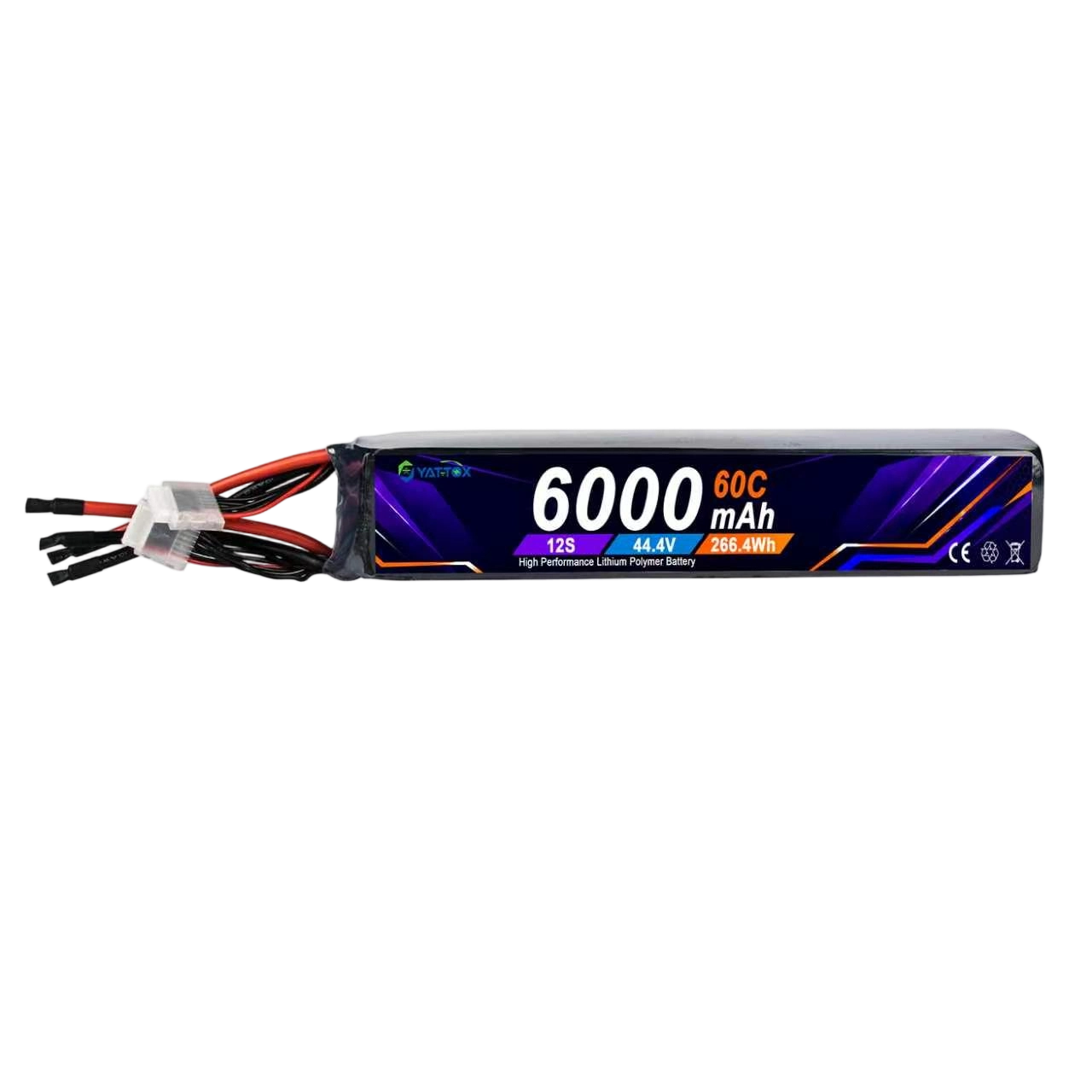
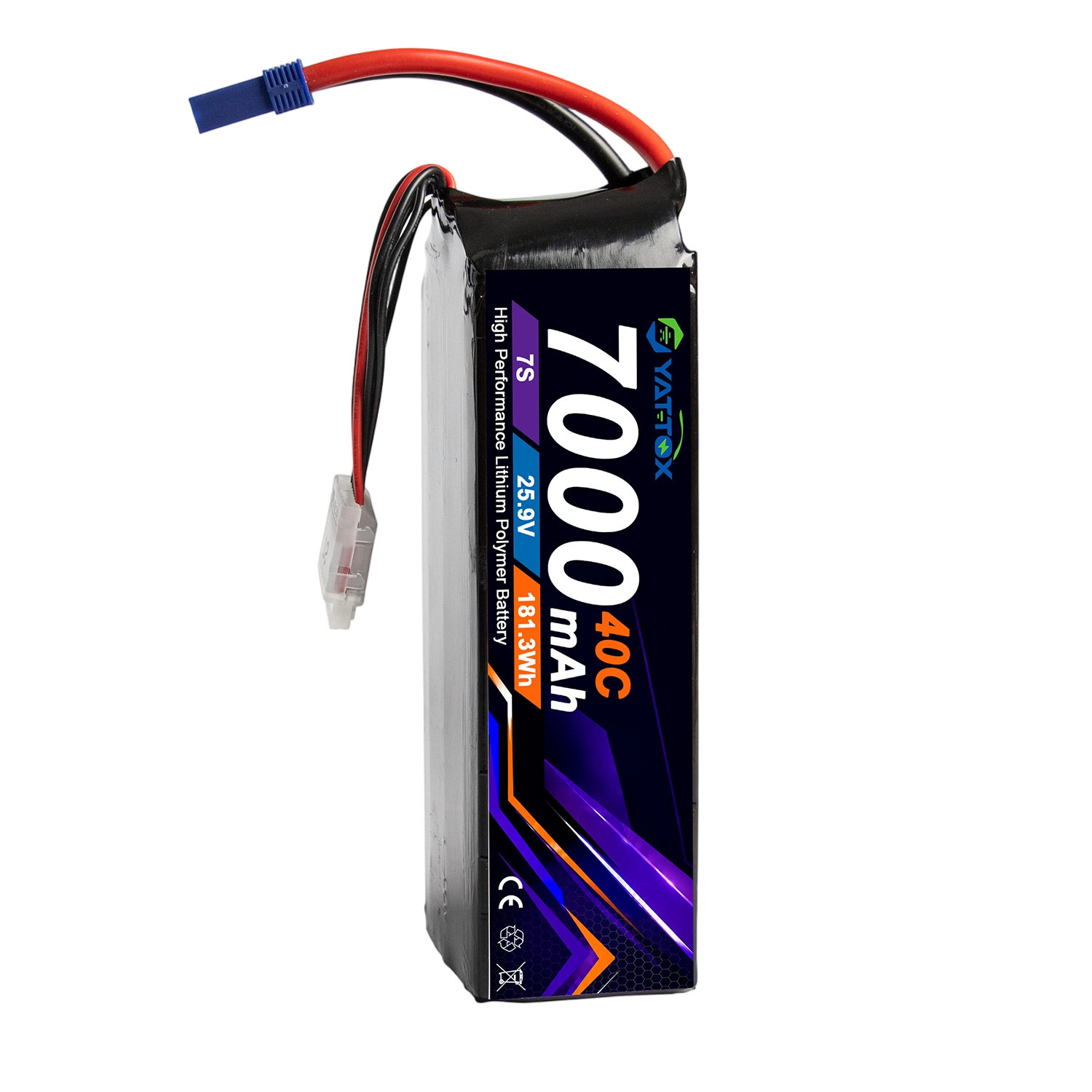
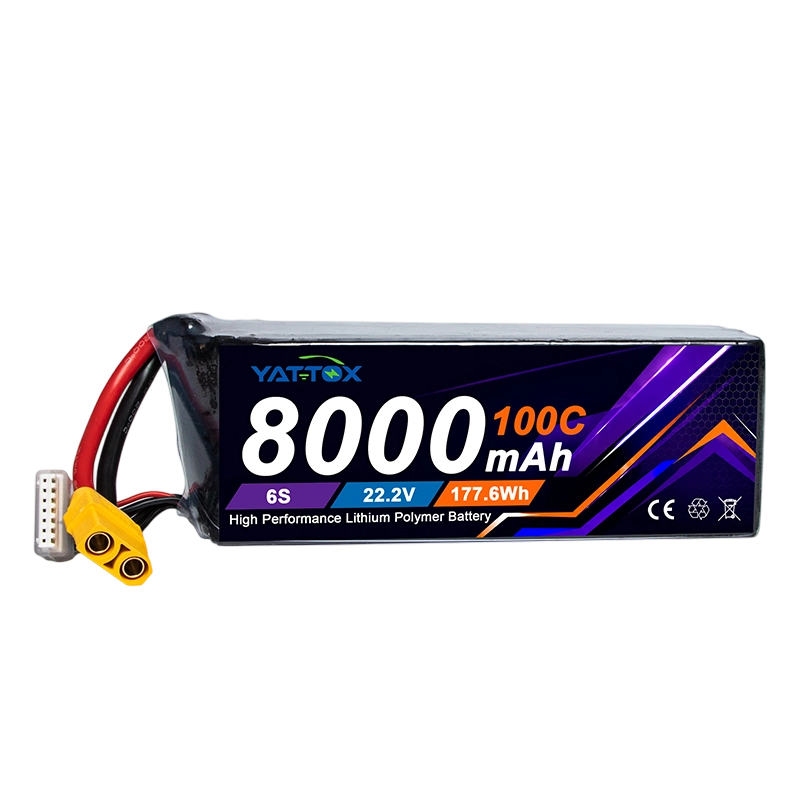
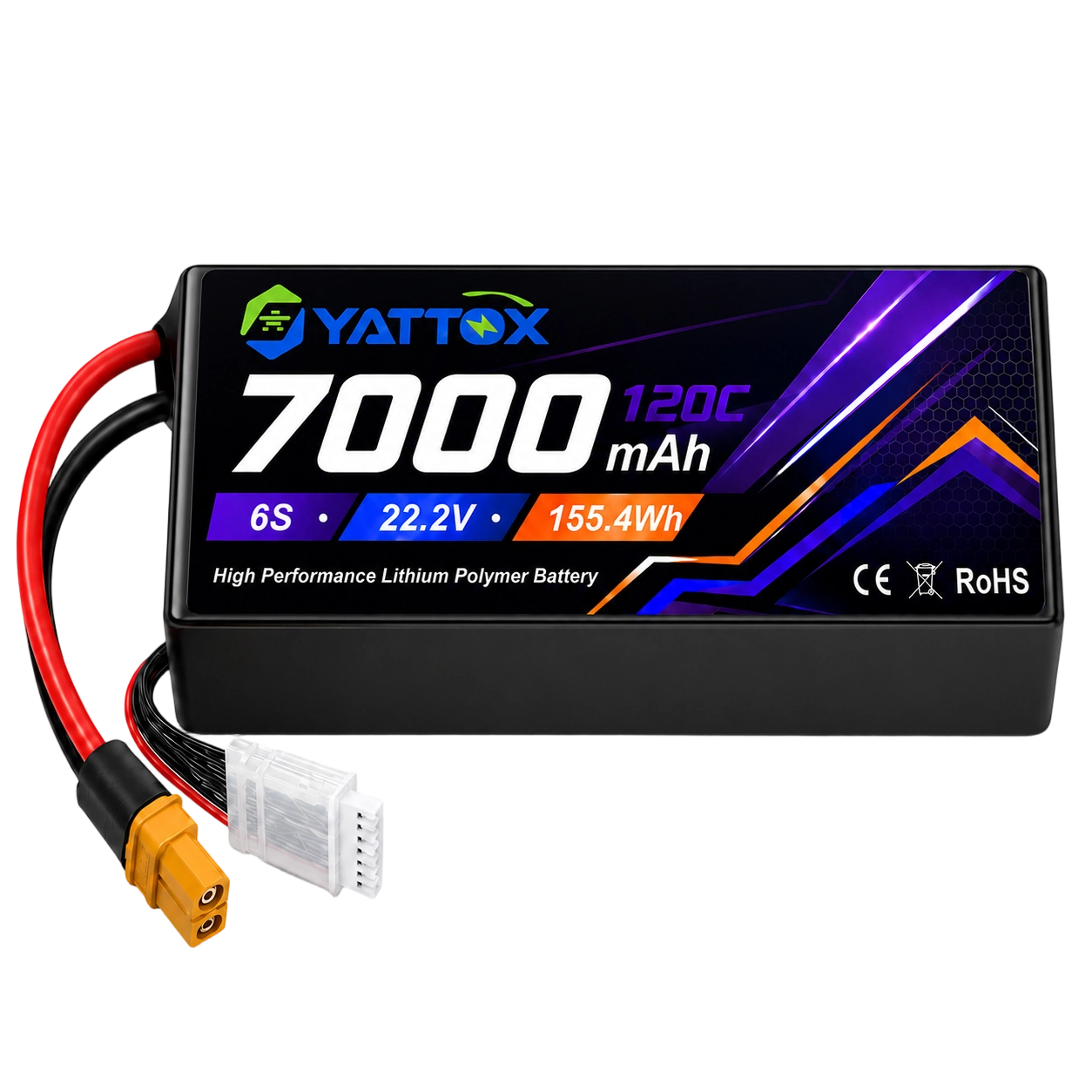
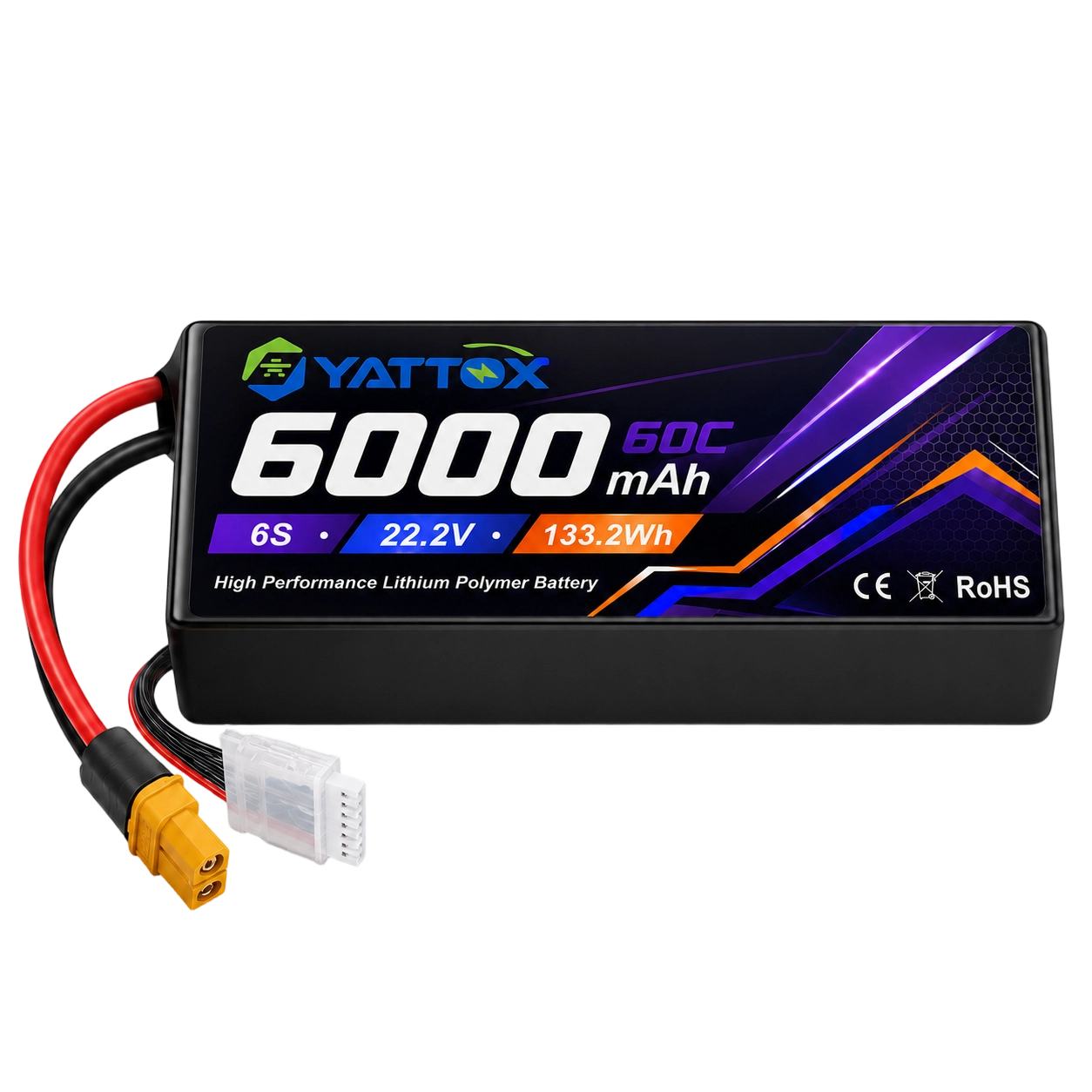
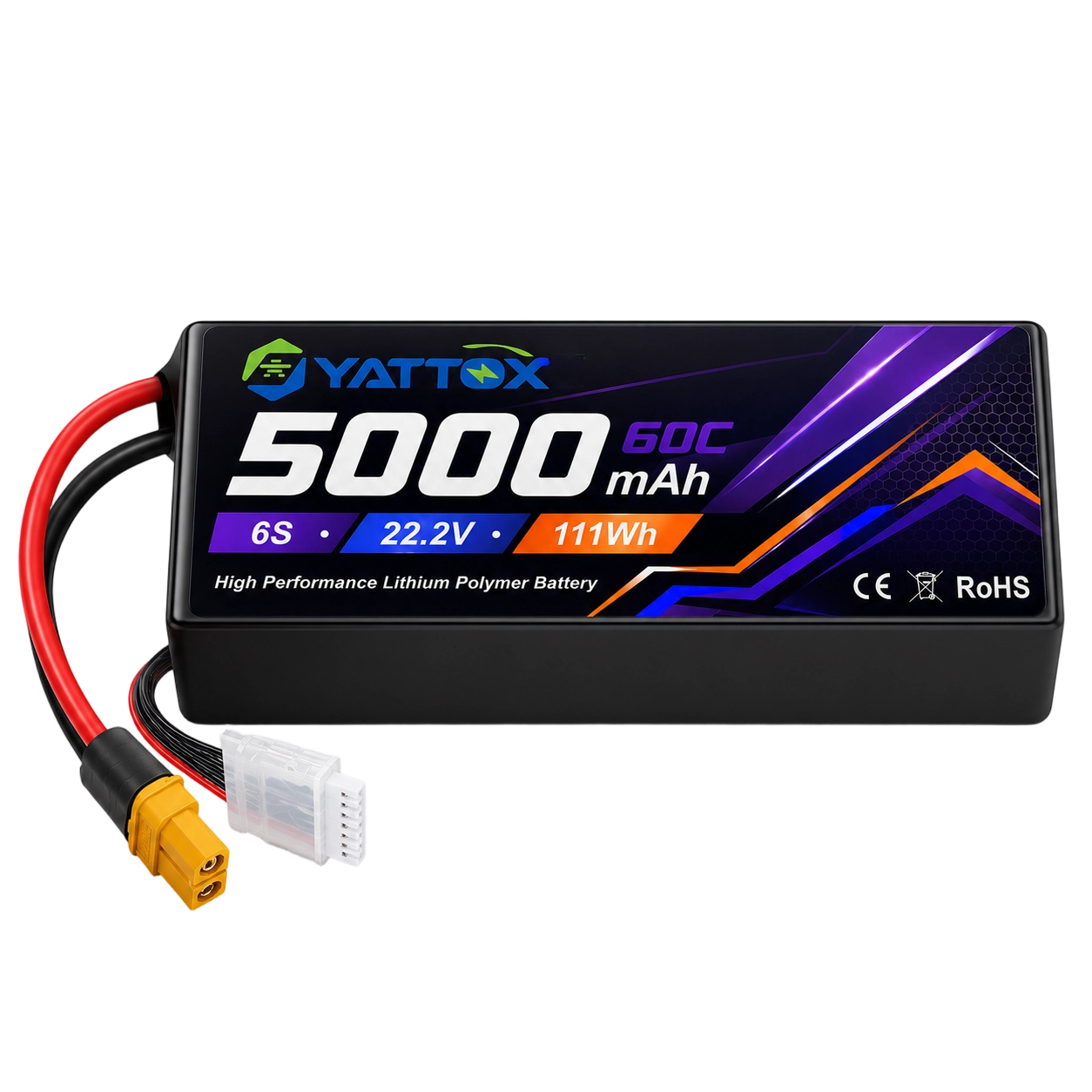
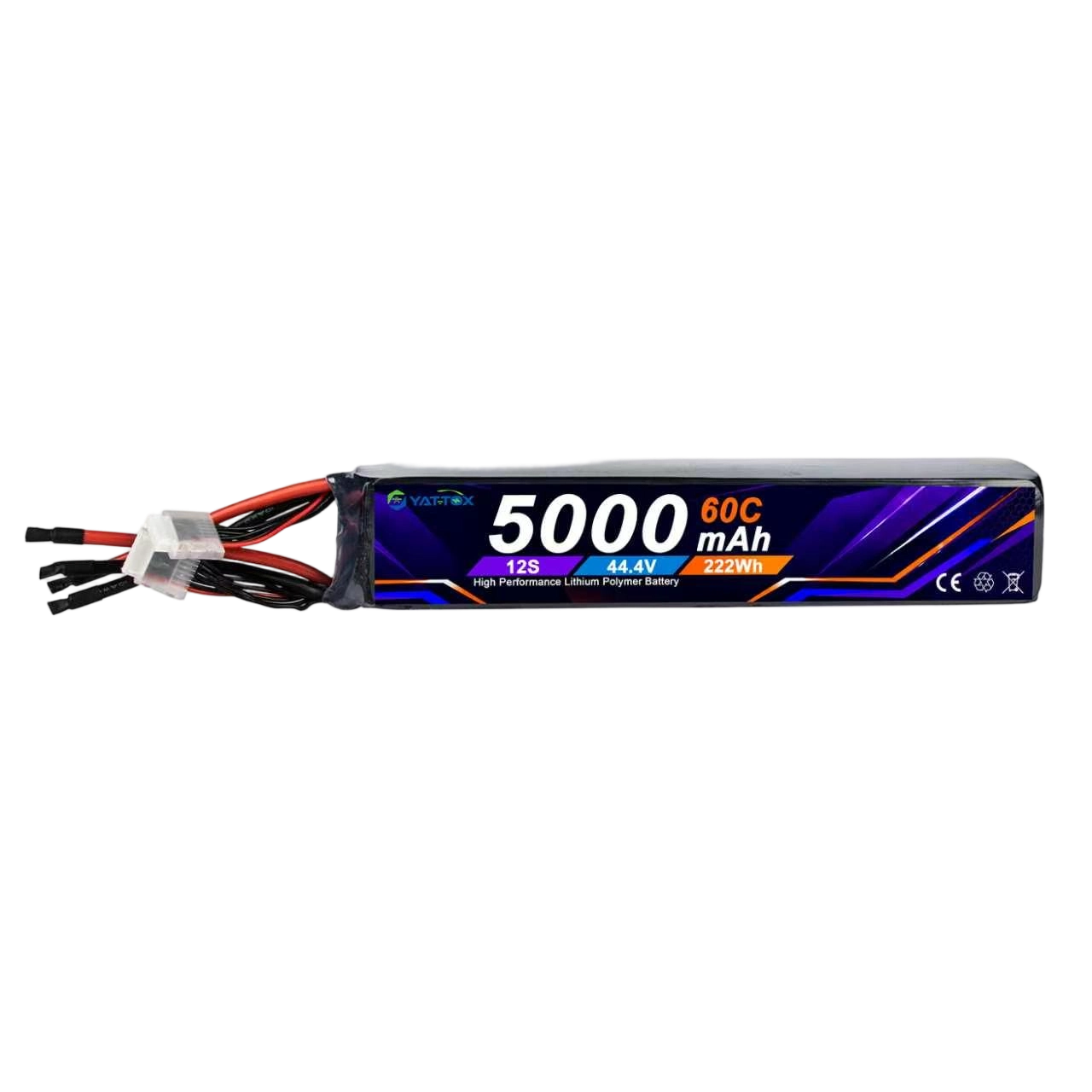
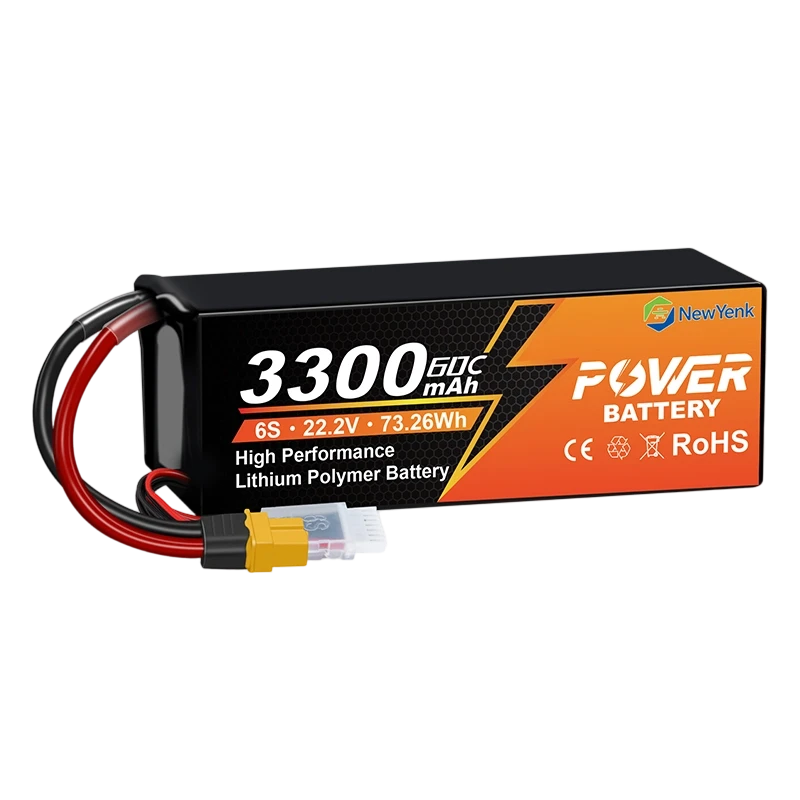
RC Batteries for Different Applications
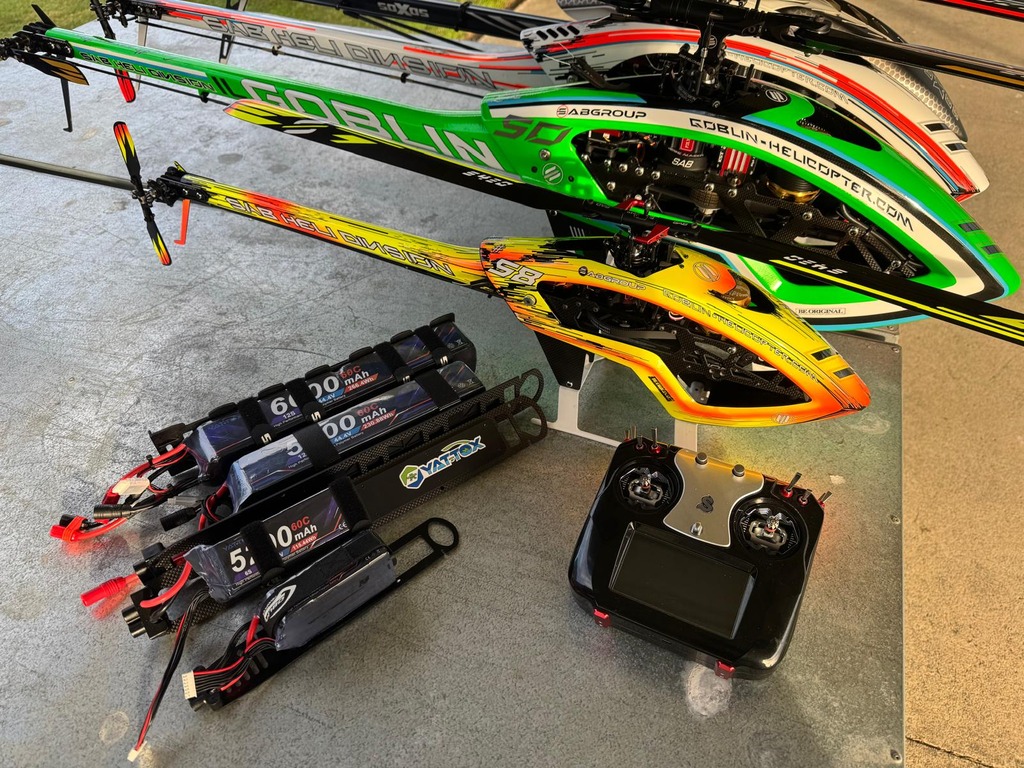
Different RC platforms place different demands on discharge performance, capacity, battery weight and installation space. NewYENK supports battery selection and customization around the actual power system.
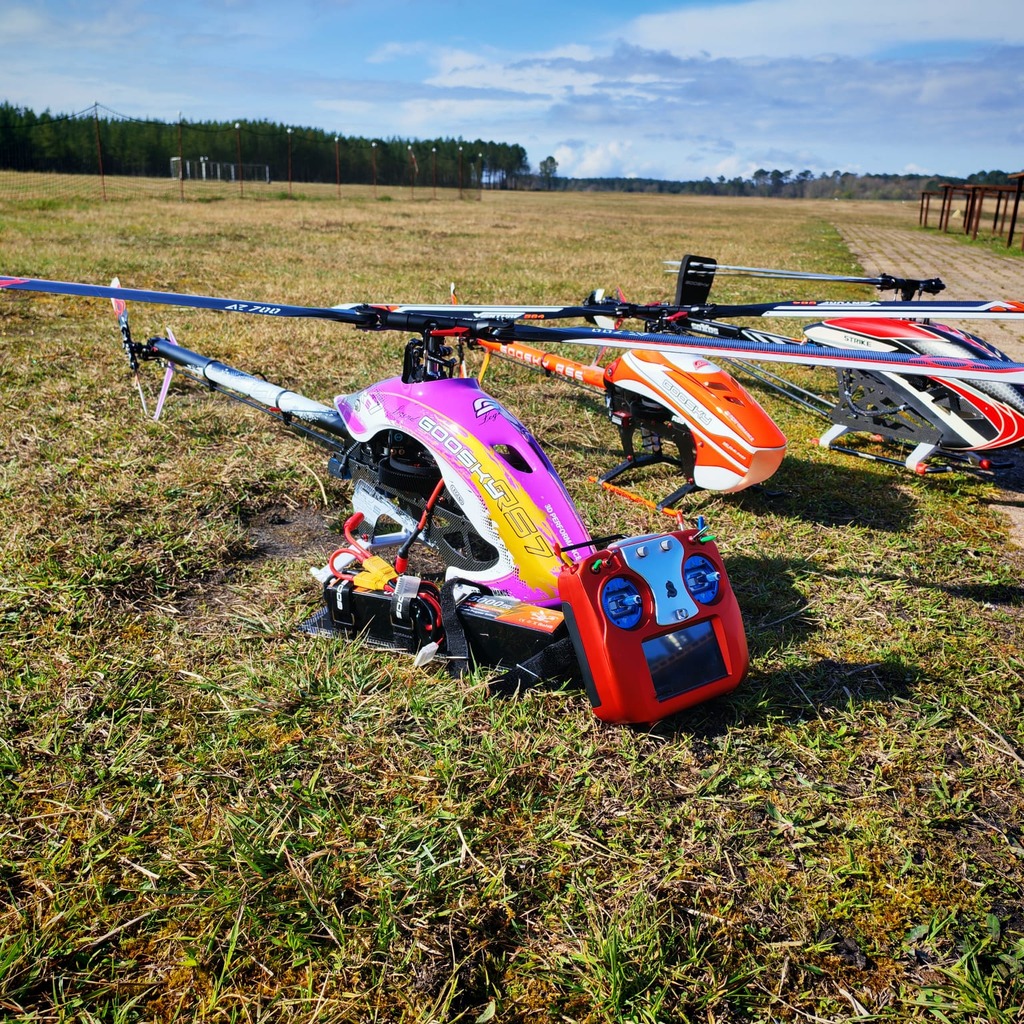
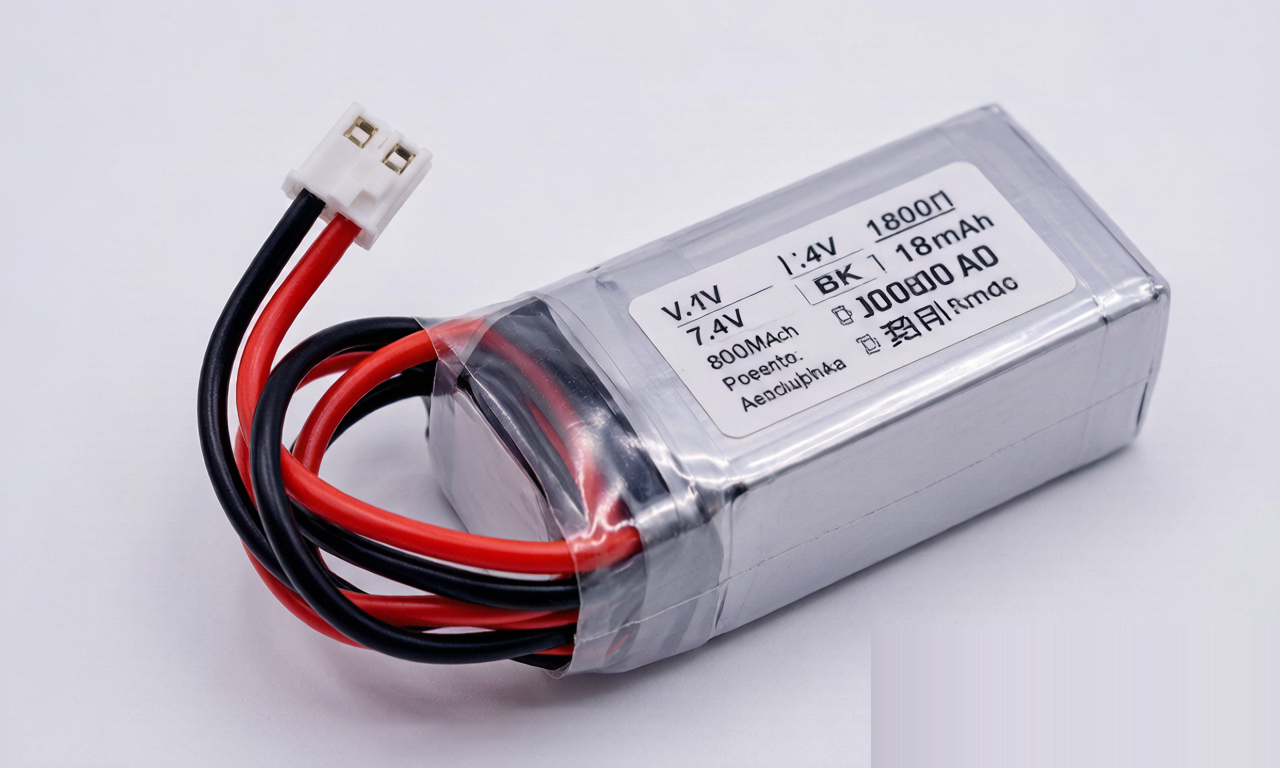
Find the right RC LiPo battery by voltage, capacity, discharge capability and pack size. NewYENK offers multiple battery configurations for different RC platforms, from compact models to applications requiring higher capacity and power output.
Standard RC LiPo batteries may not always match the voltage, current demand, battery compartment or connector of a new RC platform. NewYENK can develop a custom battery configuration based on your actual system requirements.
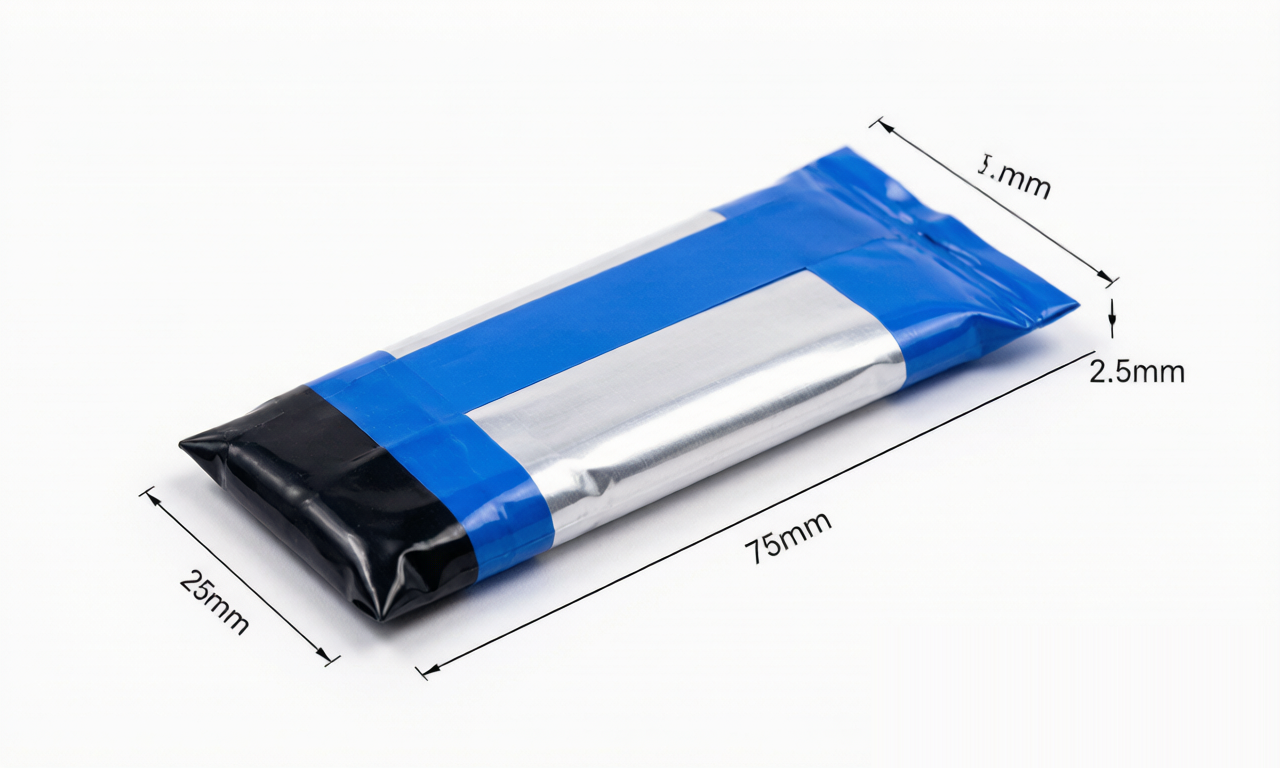
Voltage | Capacity | Discharge | Dimensions | Weight | Connector
The right battery for RC equipment should match the complete power system—not just one specification on the label. Evaluate voltage, capacity, current demand, dimensions, weight and connector together.
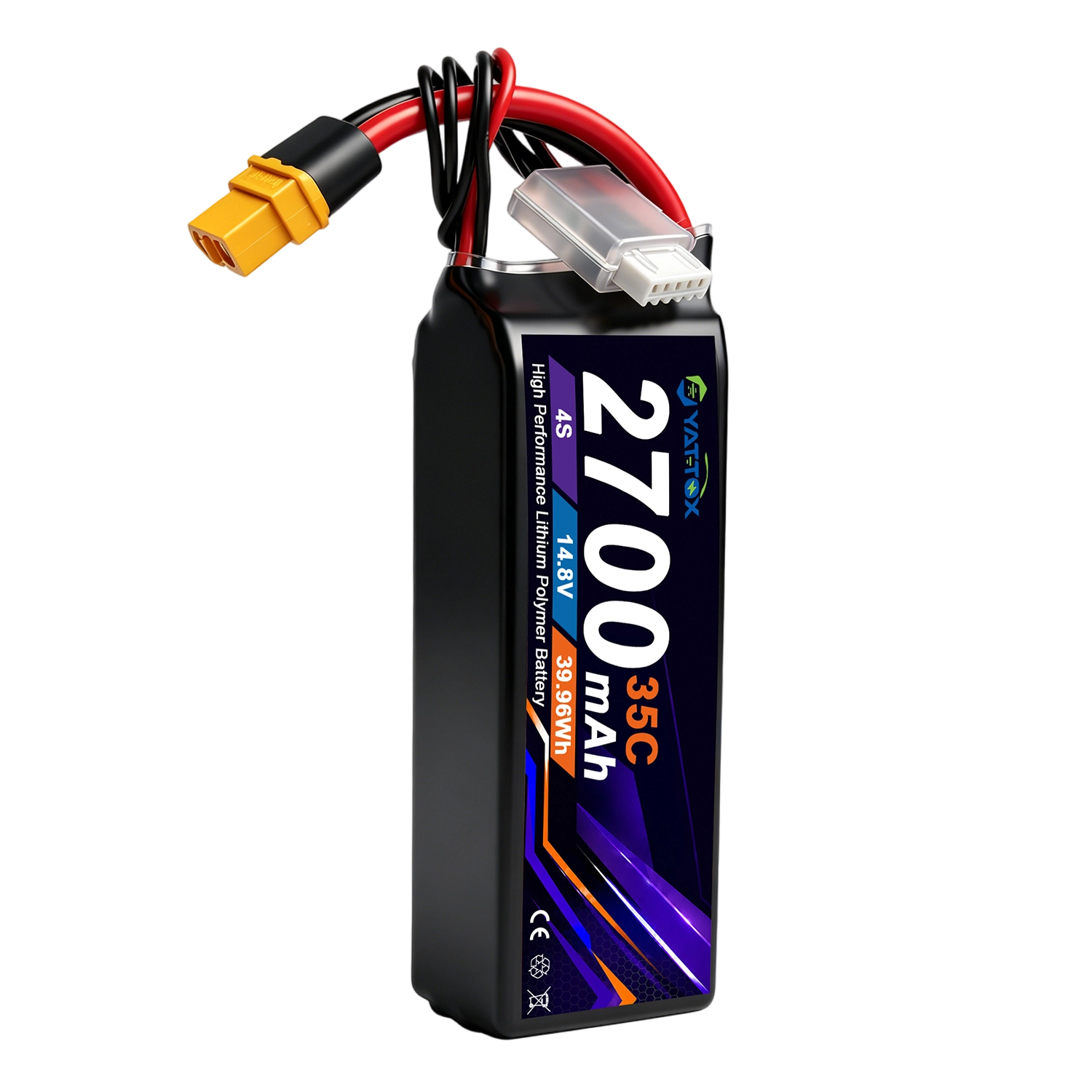
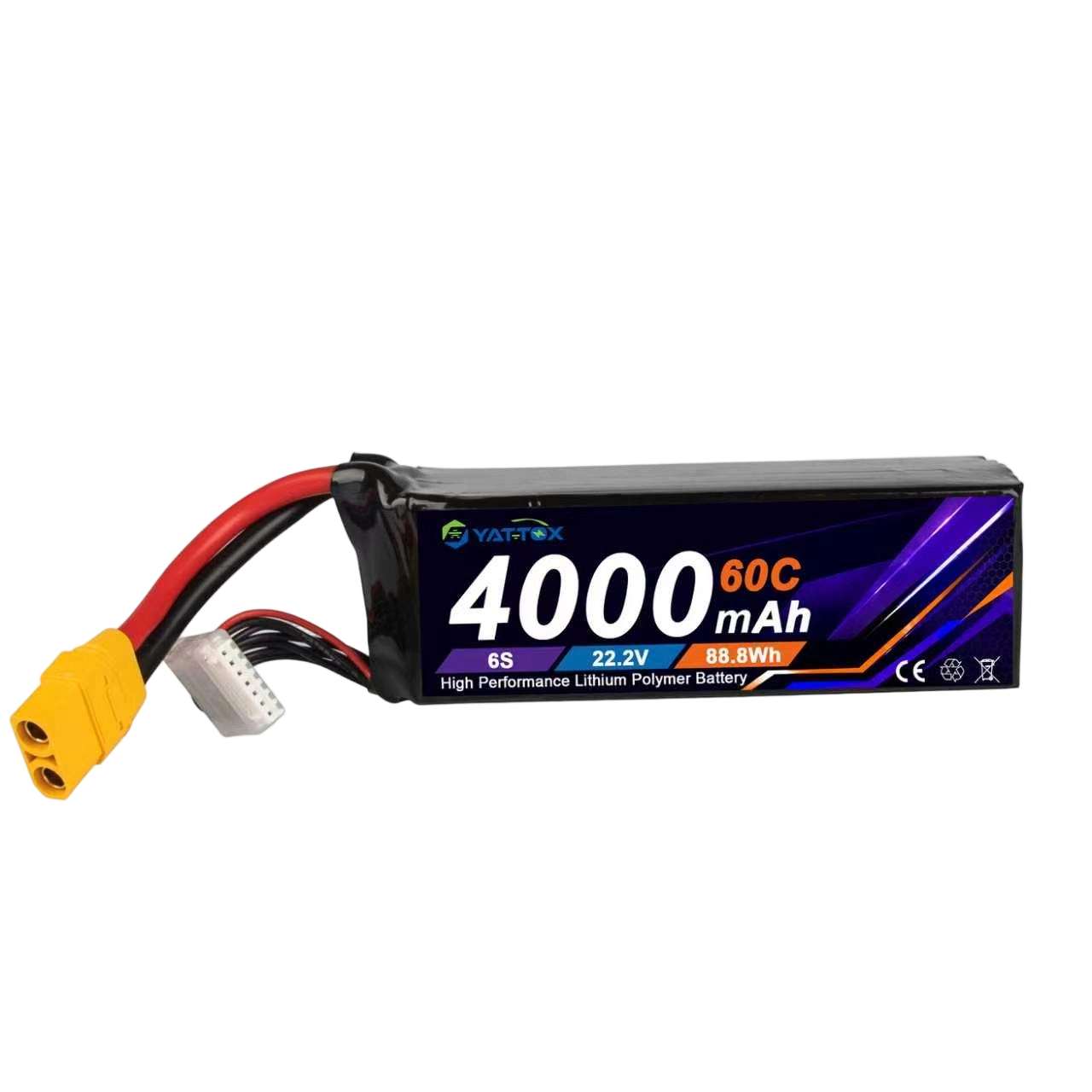
Match the battery to the motor and ESC operating range. Typical configurations include 4S 14.8V, 6S 22.2V and 7S 25.9V, with additional options for custom projects.
Balance target runtime with available battery space, maximum weight and vehicle or aircraft balance. The largest-capacity pack is not always the best fit.
Match continuous and peak current to the motor, ESC and real operating load. A higher advertised C rating is not automatically the better choice.
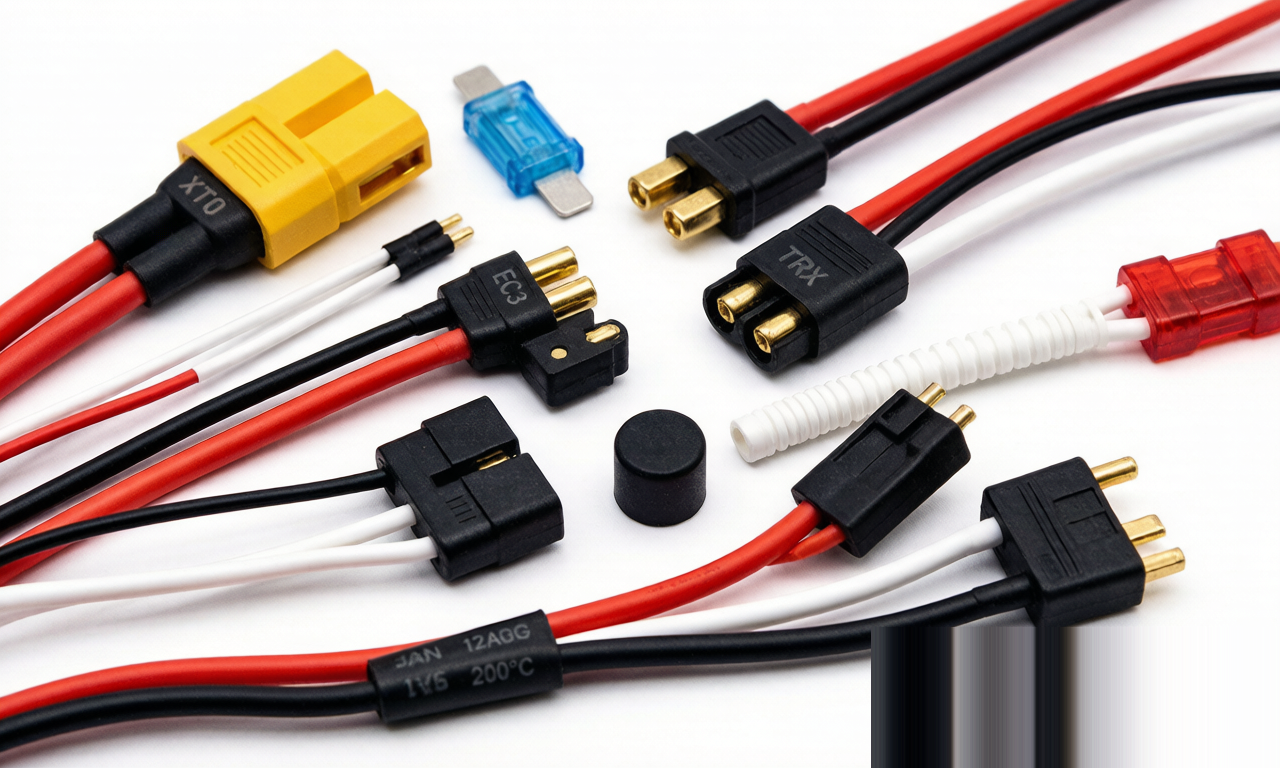
Confirm length × width × height, pack weight, wire gauge, cable length and connector. XT30, XT60, XT90, EC3, EC5, AS150 and QS8 options are supported.
Different RC platforms place different demands on discharge performance, capacity, battery weight and installation space. NewYENK supports battery selection and customization around the actual power system.
NewYENK develops custom RC LiPo battery packs around real electrical, mechanical and integration requirements, from specification evaluation and prototyping through volume production.

Voltage, cell count, capacity, continuous current and peak discharge are evaluated around the RC motor, ESC, runtime and load profile.

Customize length, width, thickness, pack shape, structure, weight and wire exit position to fit the available battery compartment.

XT30, XT60, XT90, EC3, EC5, AS150 and QS8 connectors, together with wire gauge, cable length, labeling and OEM/ODM packaging.
Stable high-current performance depends on more than the C rating printed on a label. NewYENK controls key factors from cell manufacturing through pack assembly.

Controlled electrode manufacturing supports consistent current paths, lower internal resistance and stable high-current discharge under load.
Improve Pack Consistency
Before pack assembly, cells are graded and matched according to:
Capacity | Voltage | Internal Resistance
Better cell consistency helps improve balance and discharge behavior across the complete RC lithium polymer battery pack.
Built for High-Performance Applications
NewYENK uses stacking technology for most high-current battery applications where appropriate.
It supports:
More Uniform Cell Structure
Lower Internal Resistance
Better Cell Consistency
Stable Power Output
Relevant manufacturing processes are carried out under controlled dry conditions to support consistent cell production.
NewYENK supports lithium battery development from cell manufacturing through finished pack production, providing engineering, prototyping and volume-production support.
Send us your application, voltage or cell count, capacity, continuous and peak current, maximum dimensions, weight limit, connector and expected quantity. If you are replacing an existing battery, you can also provide its specification, photos or dimensional information.
Yes. NewYENK supports custom RC LiPo battery development based on voltage, capacity, current, dimensions, weight, structure, connector and wiring requirements. Projects can progress from specification evaluation and prototyping to volume production.
Yes. NewYENK supports XT30, XT60, XT90, EC3, EC5, AS150 and QS8 connectors, together with customized wire gauges and cable lengths according to project requirements.
No. Higher capacity provides more available energy but usually increases battery size and weight. For RC cars, this may affect acceleration and handling. For aircraft, additional battery weight can affect flight performance and balance.
The required C rating depends on battery capacity and the actual continuous and peak current of the RC system. A higher advertised C rating is not automatically better. The battery should match the real motor and ESC load.
Check the motor and ESC voltage range, continuous and peak current, target runtime, available battery space, maximum weight and connector. These parameters should be evaluated together before selecting an RC battery.