



Lithium Ion Battery Manufacturing Process In 20 Steps
To deliver reliable and rechargeable lithium ion batteries, we implement a complete manufacturing process with clearly defined steps and quality controls.

Lithium Ion Battery Construction
Precisely controlled battery cell assemly process ensures consistent structure, stable internal resistance and reliable current paths across batches.
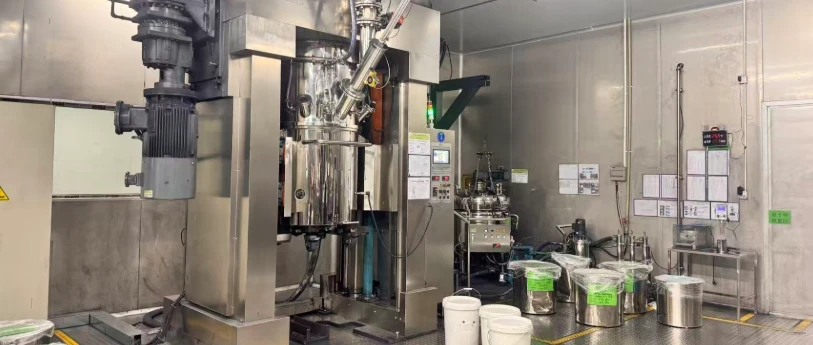
Raw Material Preparation
We start with A-grade raw materials and a strict incoming inspection process to ensure every cell is built on a stable chemical foundation.
For high-performance applications, we use 100% pure LCO cathode material, helping deliver higher energy density, lower internal resistance, and more consistent performance.
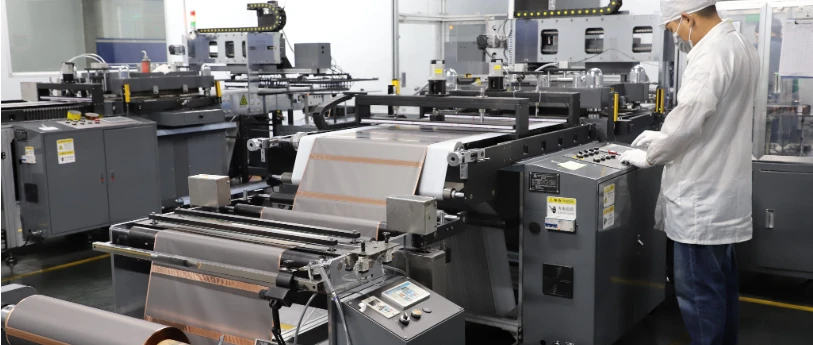
Electrode Manufacturing
By integrating mixing, coating, calendering, and slitting into a tightly controlled process, we maintain uniform coating distribution and consistent electrode thickness.
This provides a stable performance base for improved cell consistency, lower internal resistance, and dependable discharge behavior.
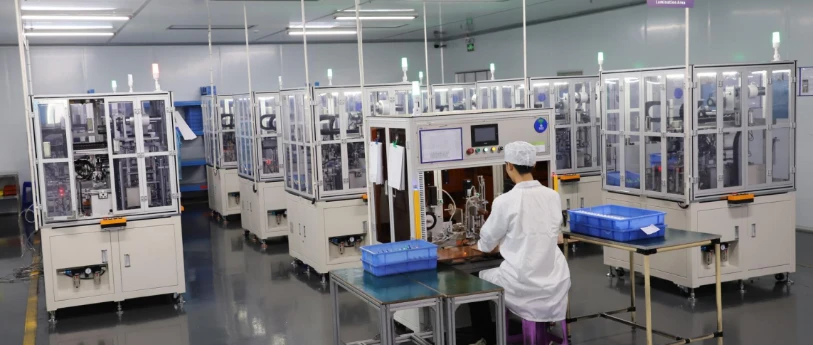
Cell Assembly
Cell assembly can be completed through either winding or stacking.
Winding provides advantages in manufacturing efficiency, while stacking offers higher precision in cell structure and is better suited for high-performance battery applications.
At present, most of our batteries are produced with stacking technology to support better consistency, lower internal resistance, and more stable output.
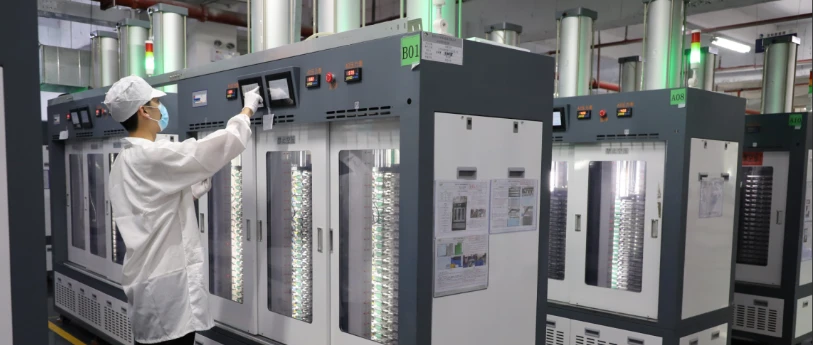
Formation & Aging
Formation and aging are essential to bringing each cell into a stable working state.
Through this process, cell performance is activated, internal chemistry is stabilized, and potential early-stage defects can be identified in advance.
This helps ensure better consistency, safety, and reliability in the final battery.
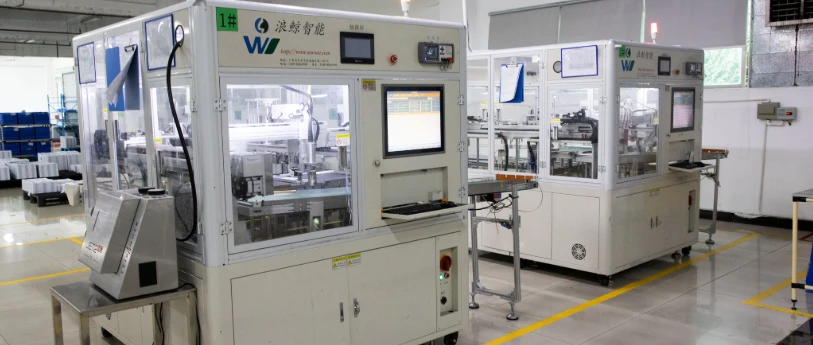
Grading & Matching
Before pack assembly, each cell goes through grading and matching to ensure better alignment in capacity, voltage, and internal resistance.
By controlling capacity matching, voltage consistency, and lower IR deviation, we help the battery pack achieve better balance, more stable discharge, and more reliable overall performance.
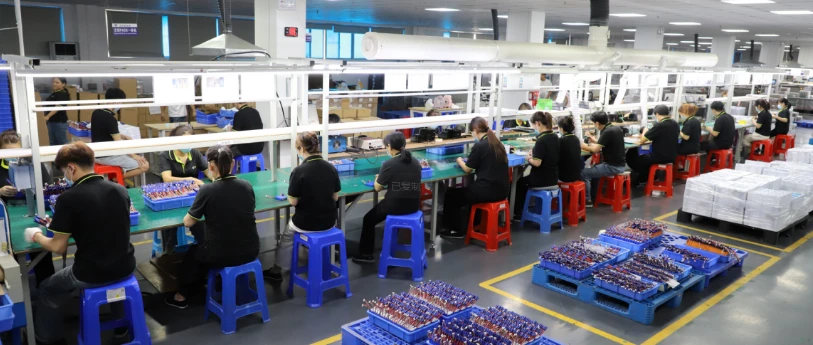
Battery Pack Assembly, BMS & Final QC
After cell matching, the battery enters pack assembly and final quality control.
At this stage, we complete key parts such as BMS integration, wiring, connector assembly, and overall pack structure, followed by final testing and shipment inspection.
This helps ensure each battery is properly assembled, performs as expected, and is ready for safe and reliable delivery.
How We Realize?
—— High Quality Lithium Ion Battery


Slurry Homogenization
Ensures uniform dispersion and stable viscosity, laying the foundation for consistent electrode quality and repeatable batch
Coating Monitoring
Tracks coating thickness in real time and reduces coating deviation, improving capacity consistency and lowering defect risk.
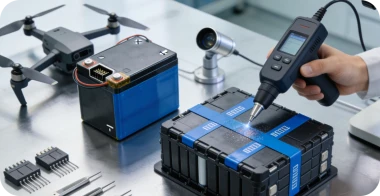


Lamination Alignment
Improves layer alignment and current-path uniformity, supporting lower variation in internal resistance and more predictable power output.
Uniform SEI Formation
Promotes uniform SEI formation in lithium ion batteries and stabilizes electrochemical behavior, helping reduce performance drift and improve long-term cycling stability.
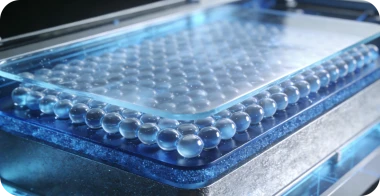
Li-ion Battery Types
We support multiple lithium ion battery types and align chemistry choice with your environmental conditions, duty cycle and certification requirements

High energy density for compact, lightweight battery designs where space and weight matter most.
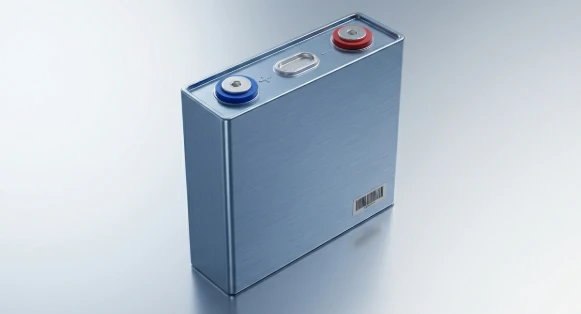
Safety-focused chemistry with excellent thermal stability and long cycle life for reliable daily use.
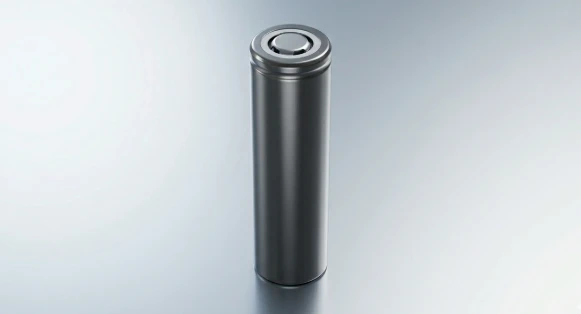
A balanced chemistry combining good energy density and power capability for versatile applications.
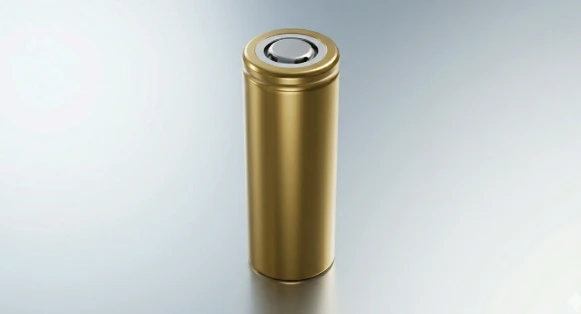
Higher energy-density potential for long runtime and lightweight power.
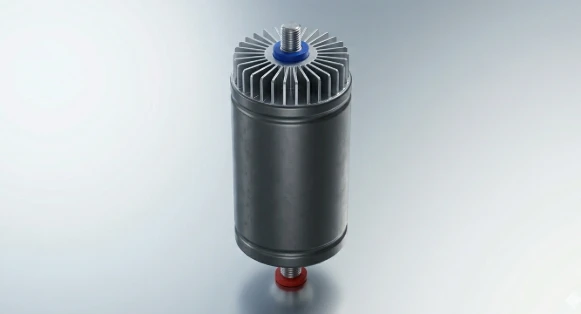
Ultra-long cycle life and fast-charging performance, especially strong in low-temperature operation.
Manufacturing Strength Overview
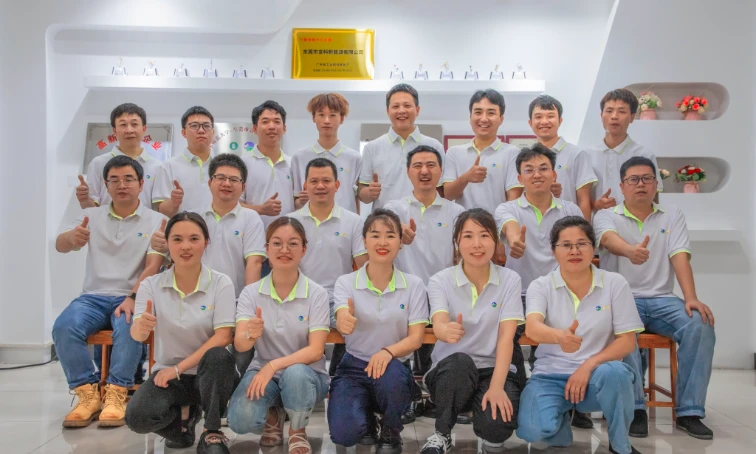
Yattox, one of top lithium ion battery manufacturers
Technical Team
Supporting cell to pack battery design (development approach) and application-driven engineering.
Patents Granted
Across process monitoring, intelligent manufacturing and battery structure design.
Core Processes
Customization support
Capacity design
Form factor & mechanical structure
Connectors and interface options
Testing & verification
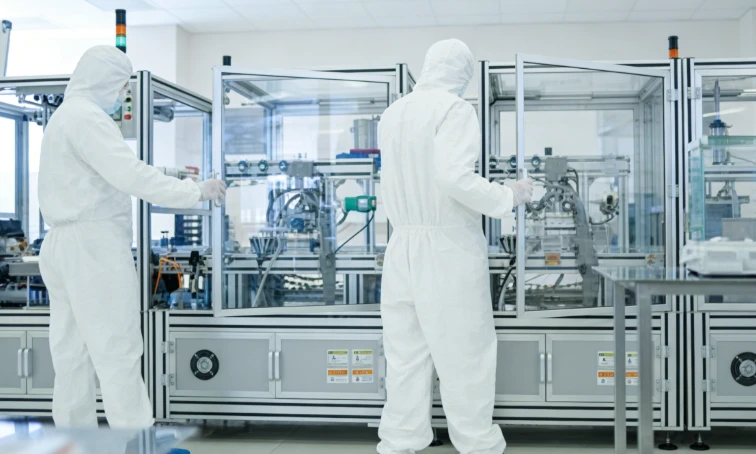
ISO Verified Cleanroom
Dehumidification and dry-environment control systems (DP ≤-40℃)
5S on-site cleanliness standards
Designed to reduce moisture-related defect risks from the source
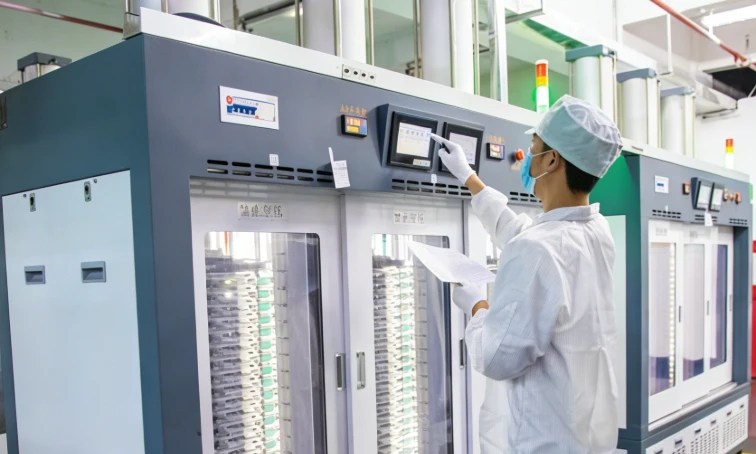
MES system
Supply-chain environmental compliance documentation available (e.g., environmental reports)
Long-term reliability verification:
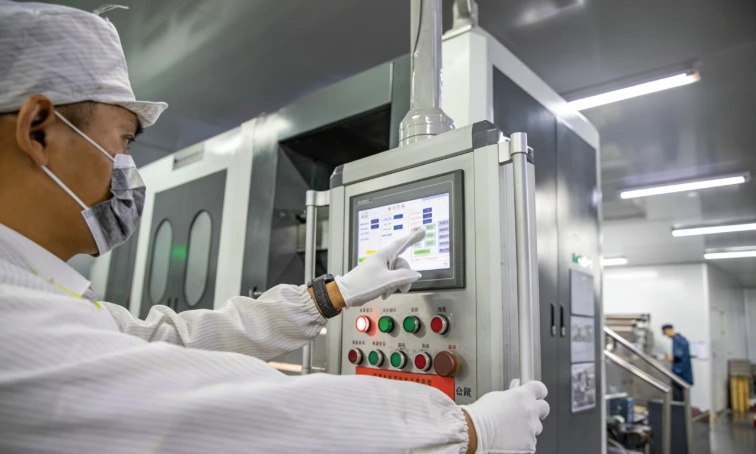
Production equipment
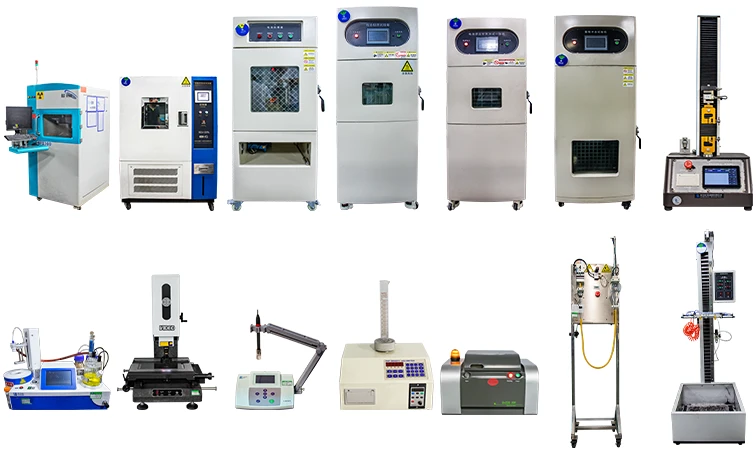
Test & safety validation equipment
Overcharge / over-discharge testing
Battery short-circuit testing
Free-fall drop testing