





×

key word:

YanKe

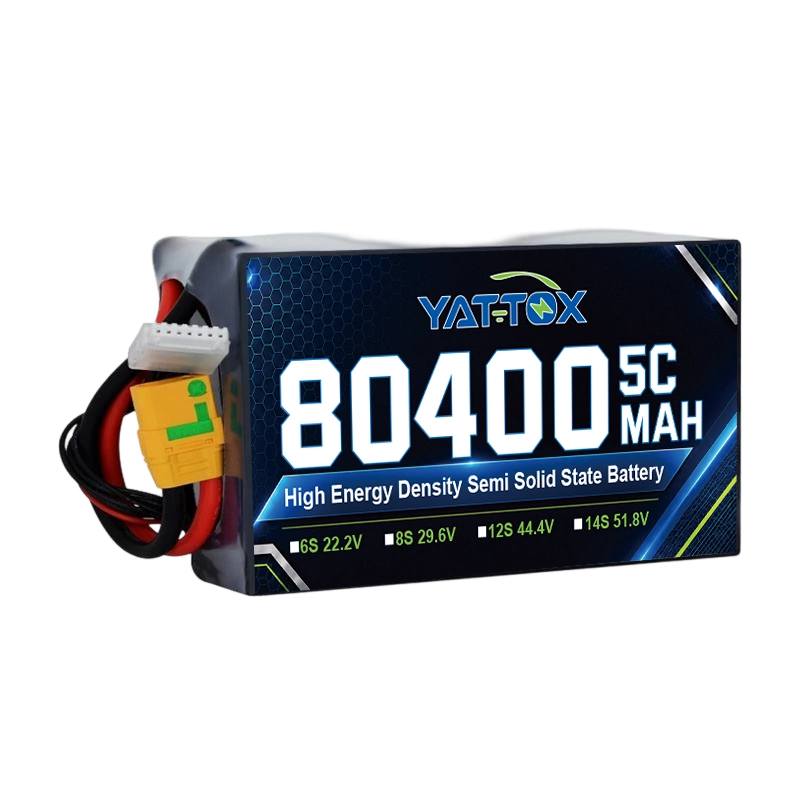
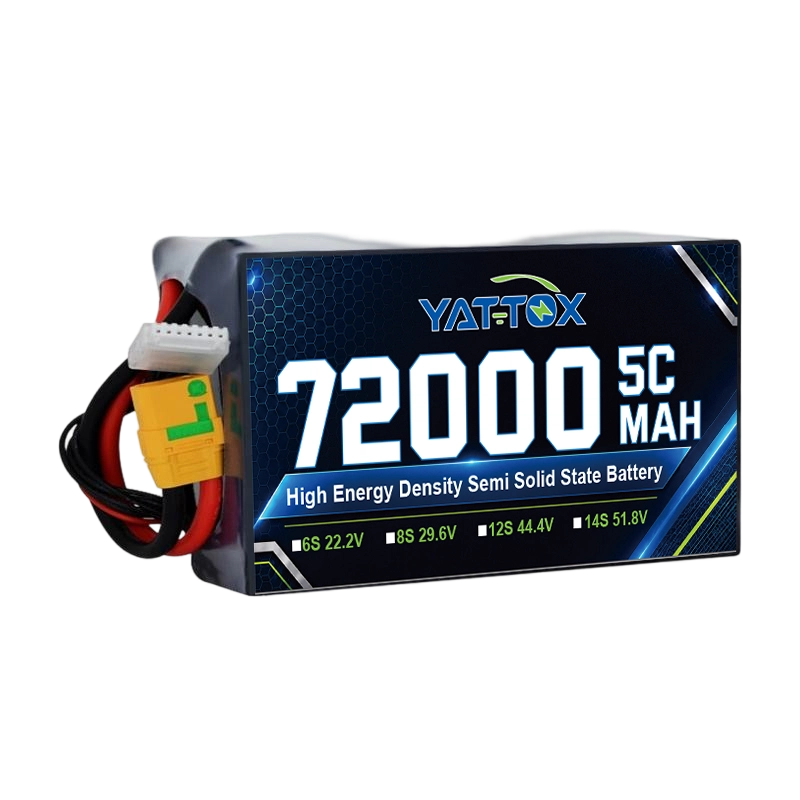
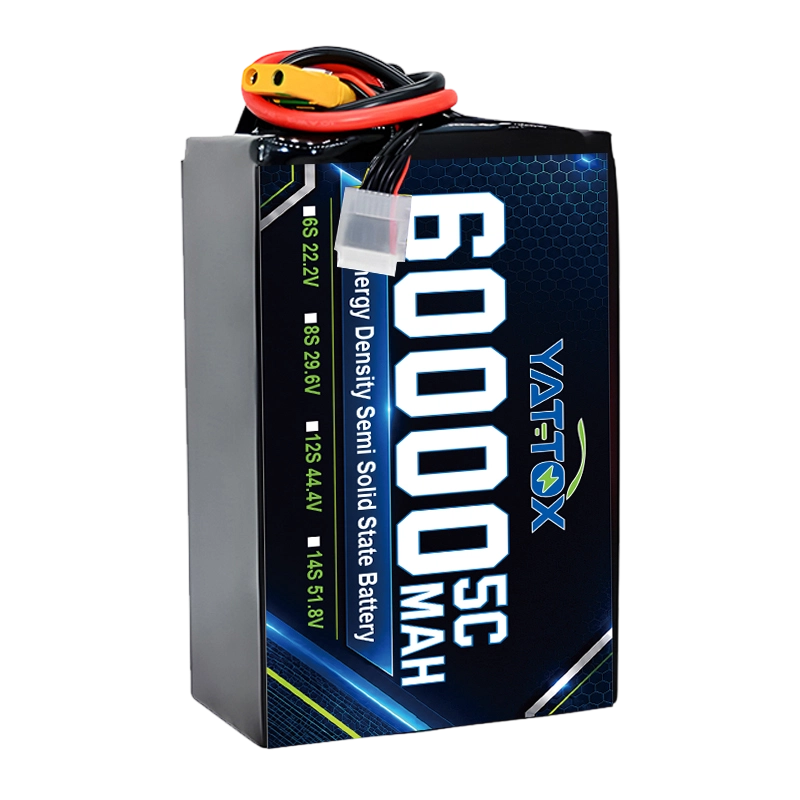
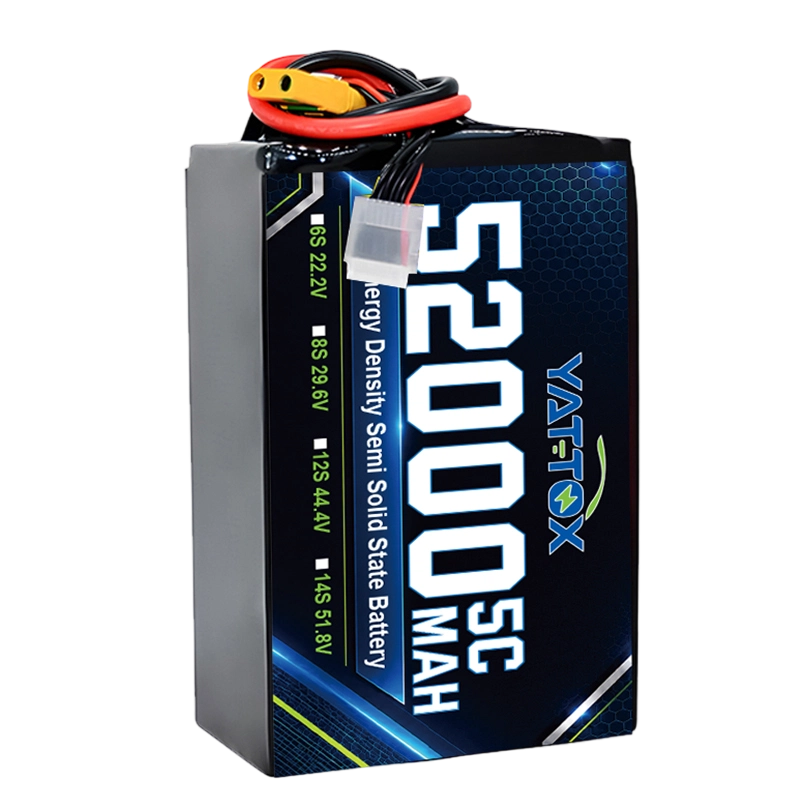
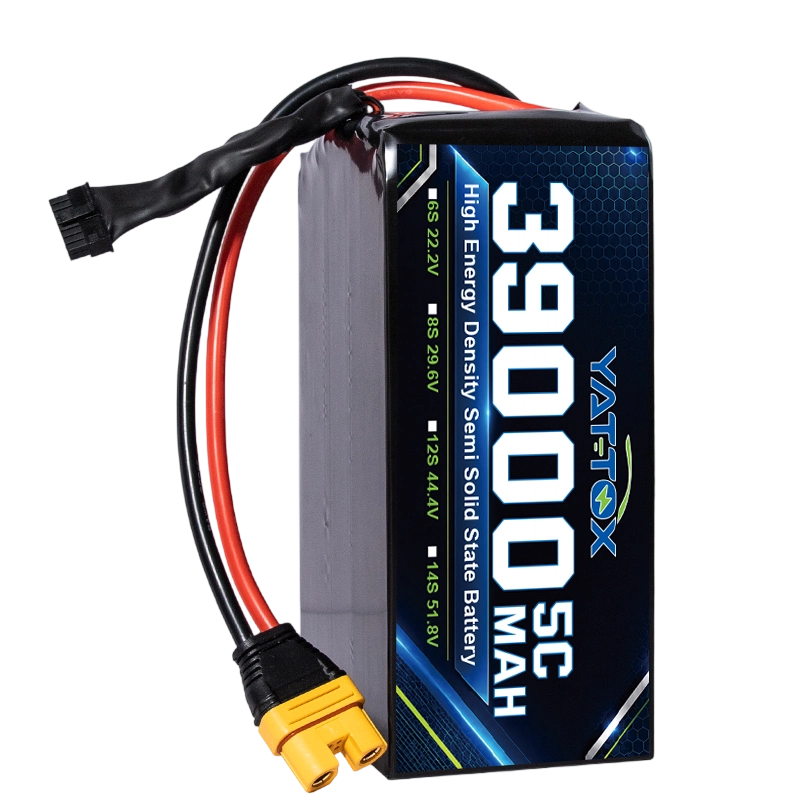
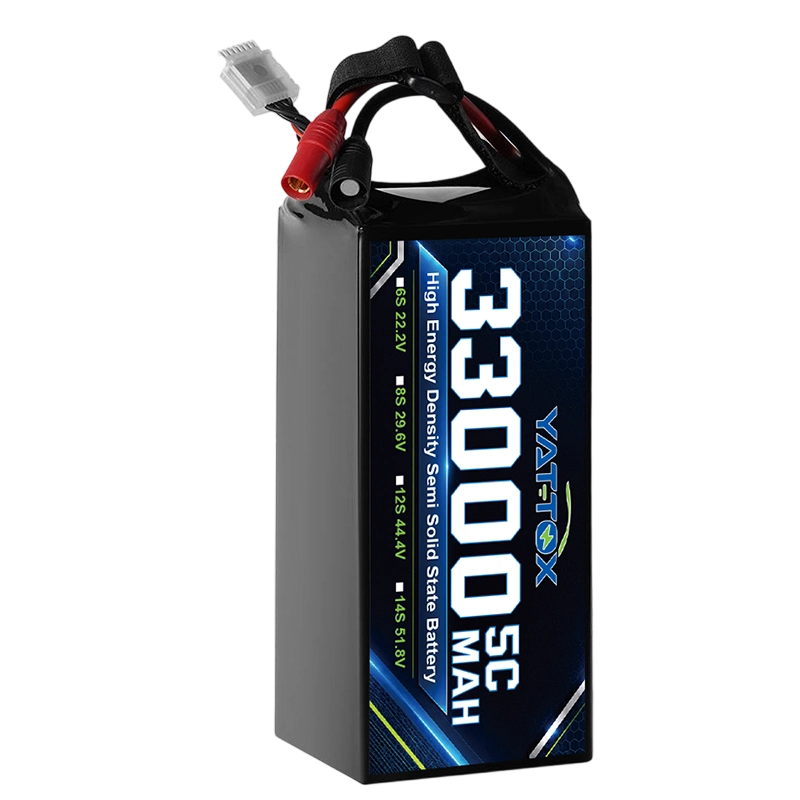
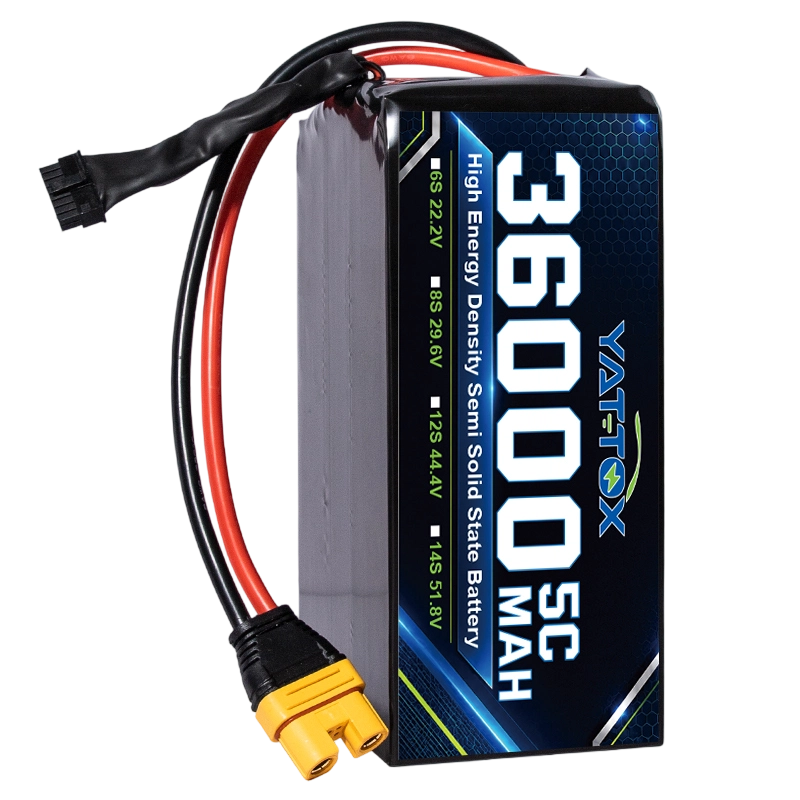
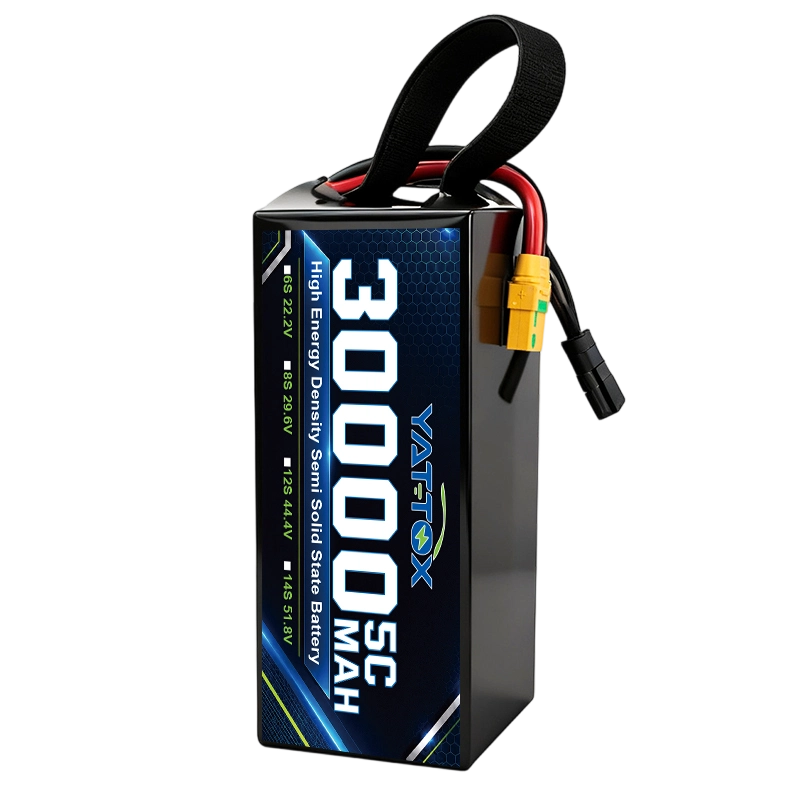
Semi Solid State Battery

Balancing high energy density with safety and reliability,

providing a lighter battery solution for high-end long-endurance devices.

Get a Custom Semi Solid State Battery Quote


Why Choose Our Semi-Solid State Batteries?

Built on in-house manufacturing and integrated development capabilities, NewYenk's semi-solid state batteries balance high energy density, safety, and lightweight design.

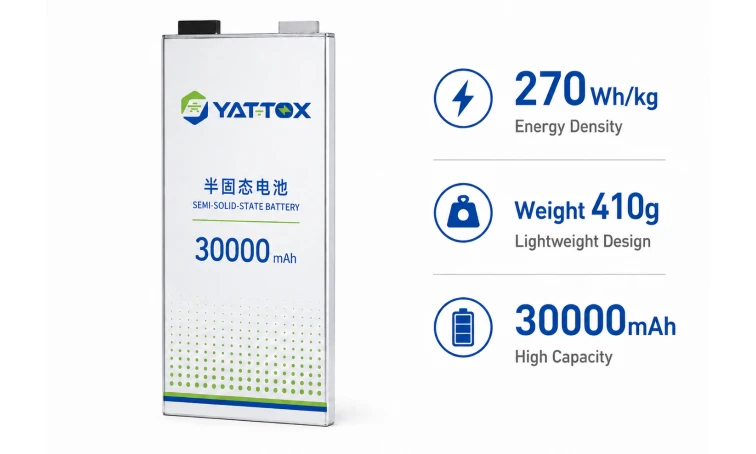
Higher Energy Density

Backed by in-house cell manufacturing, stacking technology, and integrated development from cell to PACK, NewYenk optimizes for endurance and lightweight performance, delivering more usable energy at the same weight and enabling smaller, lighter battery solutions for the same range target.

Higher Safety

Through constant temperature and humidity workshops, 100% OCV inspection, IR testing, MES traceability, and full-process quality control, NewYenk has built a safety assurance system covering materials, manufacturing, and testing to better address common risks such as swelling, leakage, and zero voltage.

Lighter System Weight

For weight-sensitive applications such as aerial platforms, mobile robots, and portable devices, NewYenk supports lightweight optimization from materials and structure to PACK integration, helping improve endurance, payload capacity, and operating efficiency.

Better for High-End Long-Endurance Applications

Focused on high-end UAVs, low-altitude aircraft, and other long-endurance devices, NewYenk semi solid state lipo battery better meet demands for high energy density, safety, and custom adaptability, providing more targeted solutions for high-performance applications.

Semi-Solid State Battery Energy Density vs. Use Case

Different applications require different balances of energy density, safety, weight, and performance. The ranges below are for reference only.

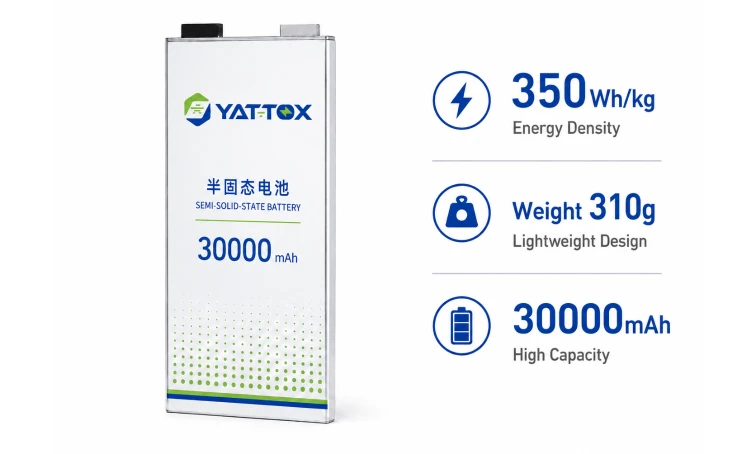
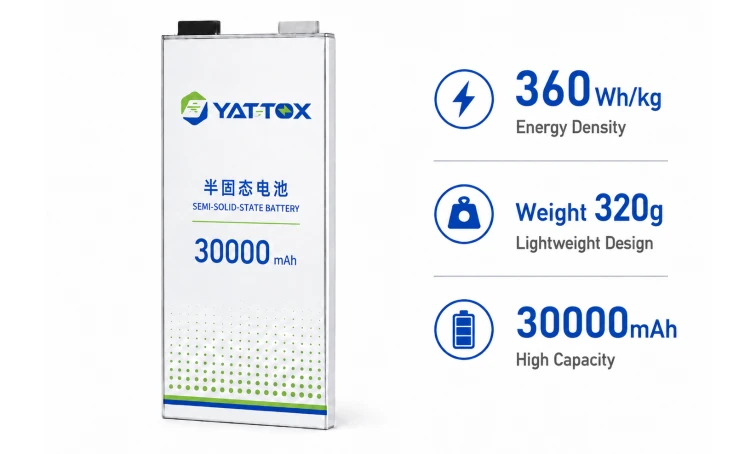
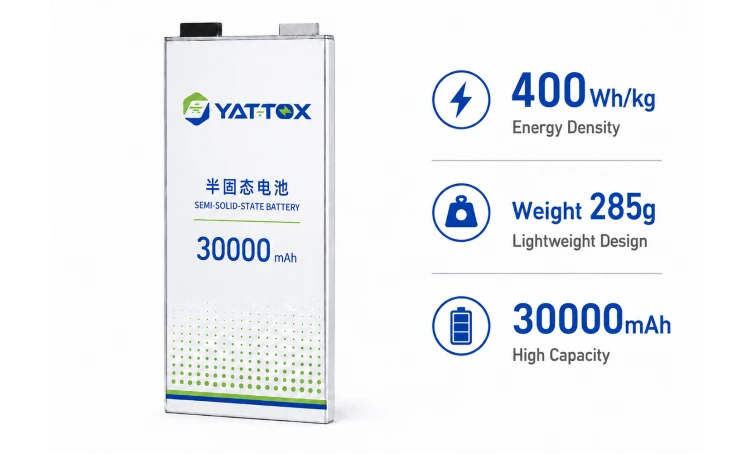
210–300 Wh/kg
300–350 Wh/kg
350–400 Wh/kg
400 Wh/kg+

Best for

Applications requiring improved safety

Weight-sensitive devices

Mid-to-high-end industrial equipment upgrades

Selected robotics and portable devices


Key value

Balanced performance with improved safety, reduced weight, and reliable overall operation.


Note:Final suitability depends on factors such as discharge rate, structural design, thermal management, cycle life, and cost.

S3-1.webp

Best for

Long-endurance industrial UAVs

Mapping missions

Inspection operations

Security and surveillance tasks

Platforms with higher sensitivity to flight time


Key value

Well suited for UAV platforms that require longer flight time, lower system weight, and stable mission performance.


Note:Final suitability depends on factors such as discharge rate, structural design, thermal management, cycle life, and cost.

S3-2.webp

Best for

High-end professional UAVs

eVTOL-related development

Advanced platforms requiring further weight reduction

Applications with stronger endurance demands


Key value

Designed for advanced platforms that need higher endurance, lighter system weight, and stronger performance potential.


Note:Final suitability depends on factors such as discharge rate, structural design, thermal management, cycle life, and cost.

S3-3.webp

Best for

Next-generation aviation

Electric mobility

High-end specialty platforms

Technology showcase projects


Key value

Designed for next-generation applications requiring ultra-high energy density and lightweight system design.


Note:Final suitability depends on factors such as discharge rate, structural design, thermal management, cycle life, and cost.

S3-4.webp

Application Scenarios for Semi-Solid-State Batteries

With advantages in energy density, lightweight design, and safety, they are well suited for applications with higher demands on endurance, weight, and reliability.
S4-1.webp

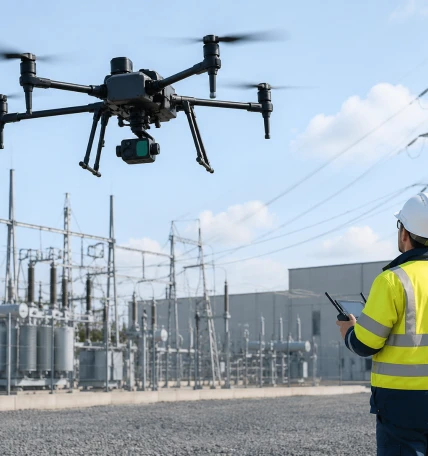
Industrial UAVs

Semi solid state lipo batteries are well suited for long-endurance missions and complex operating conditions, improving flight time while enhancing adaptability, stability, and reliability for mapping, inspection, and security applications.
S4-2.webp

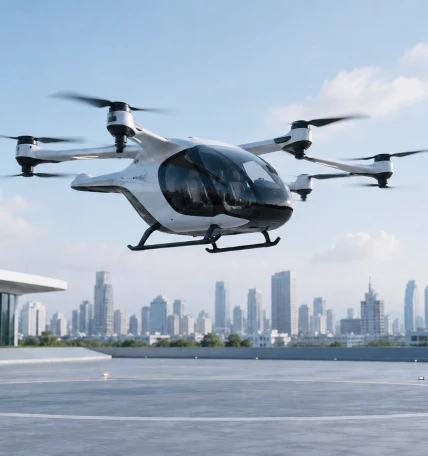
eVTOL/Low-Altitude Economy

For low-altitude aircraft and eVTOL platforms, semi-solid-state batteries help reduce system weight and improve safety redundancy, supporting higher requirements for flight efficiency and reliability.
S4-3.webp

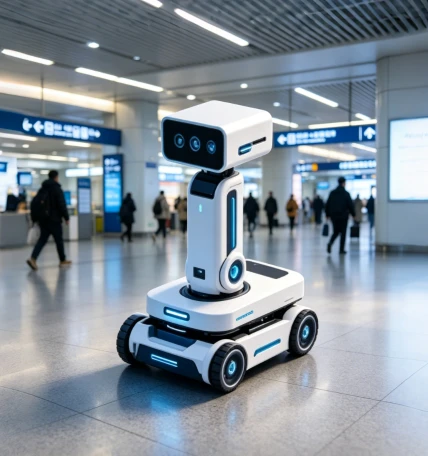
Robotics & Mobile Platforms

In inspection robots, AGV/AMR systems, and specialized mobile equipment, semi-solid-state solutions better balance size, weight, and stability to support sustained power delivery.
S4-4.webp

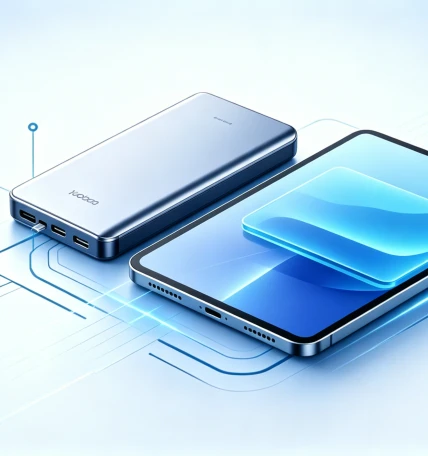
High-End Consumer Electronics/Portable Energy Storage

In high-end power banks, lightweight portable devices, and specialized outdoor equipment, semi-solid-state batteries support slimmer designs, better portability, and premium product upgrades.
S4-5.webp

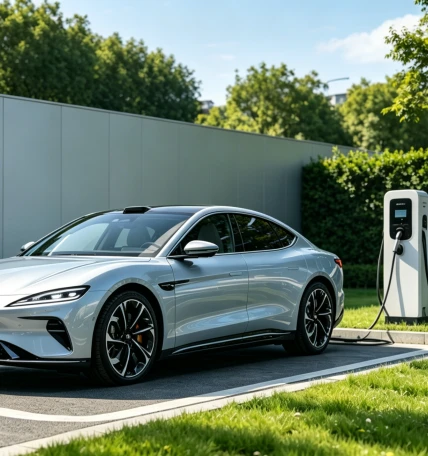
New Energy Vehicles

For high-end EVs and long-range vehicle platforms, semi-solid-state batteries improve energy density and safety while offering a promising path toward fast charging and next-generation battery upgrades.

Our semi-solid-state battery cells meet international standards including CQC, UL, TÜV Rheinland, CB, CE, FCC, KC, RoHS, REACH, and UN38.3, ensuring compliance across global markets.

Custom Semi Solid State Battery Solutions

Custom semi solid state battery solutions tailored to your performance, weight, and integration goals.

S5-1.webp

Voltage & Capacity Customization

Support customized voltage, capacity, and battery configuration based on different platform requirements, helping match endurance targets and power demands.

S5-2.webp

Weight & Structural Optimization

From cell selection to pack structure, we support lightweight and space-conscious design to better fit UAVs, low-altitude aircraft, and other weight-sensitive applications.

S5-3.webp

Connector & Integration Options

Connector type, interface configuration, and pack integration can be customized to match different current requirements and equipment platforms.

Semi-Solid State Lipo Battery FAQs

Q1: What is the difference between semi-solid-state and solid-state batteries?

Semi-solid-state batteries still contain a small amount of liquid electrolyte, while all-solid-state batteries use fully solid electrolytes. Semi-solid technology is generally considered more practical for near-term commercialization while still offering improvements in safety and energy density.

Q2: Are semi solid state batteries safer than conventional lithium batteries?

Yes, in general they offer improved safety due to reduced liquid content and better thermal stability, though no battery is completely risk-free.

Q3: Are semi-solid-state batteries suitable for drones?

Yes. They are particularly suitable for professional UAV applications that require longer flight time, lighter battery weight, and better safety performance.

Q4: Can semi solid state batteries deliver longer endurance?

In many applications, yes. Higher gravimetric energy density allows more energy in the same weight, which can translate into longer endurance.

Q5: Are custom semi-solid-state batteries the same as high-C batteries?

Not necessarily. A semi-solid-state battery is mainly about energy density, safety, and advanced chemistry route. Whether it is suitable for high-discharge applications depends on the specific design.

Q6: What applications are best suited for semi-solid state batteries?

Industrial drones, eVTOL, robotics, premium EVs, and high-end portable electronics are among the most suitable applications.

Q7: Can semi-solid-state lipo batteries be customized?

Yes. Depending on the project, voltage, capacity, dimensions, weight target, connector type, and discharge characteristics can be customized.