


6S 24500mAh 22.2V LiPo Battery
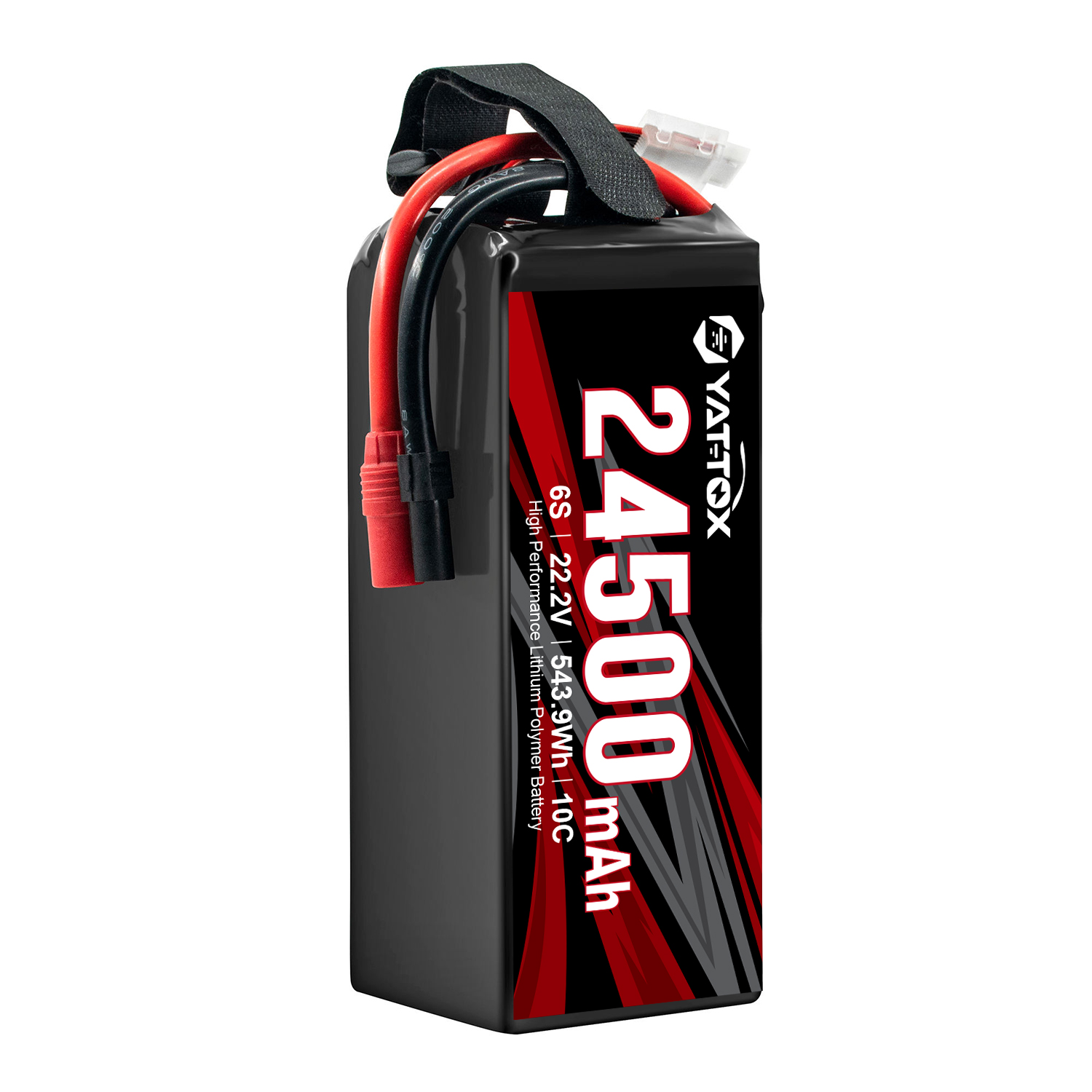
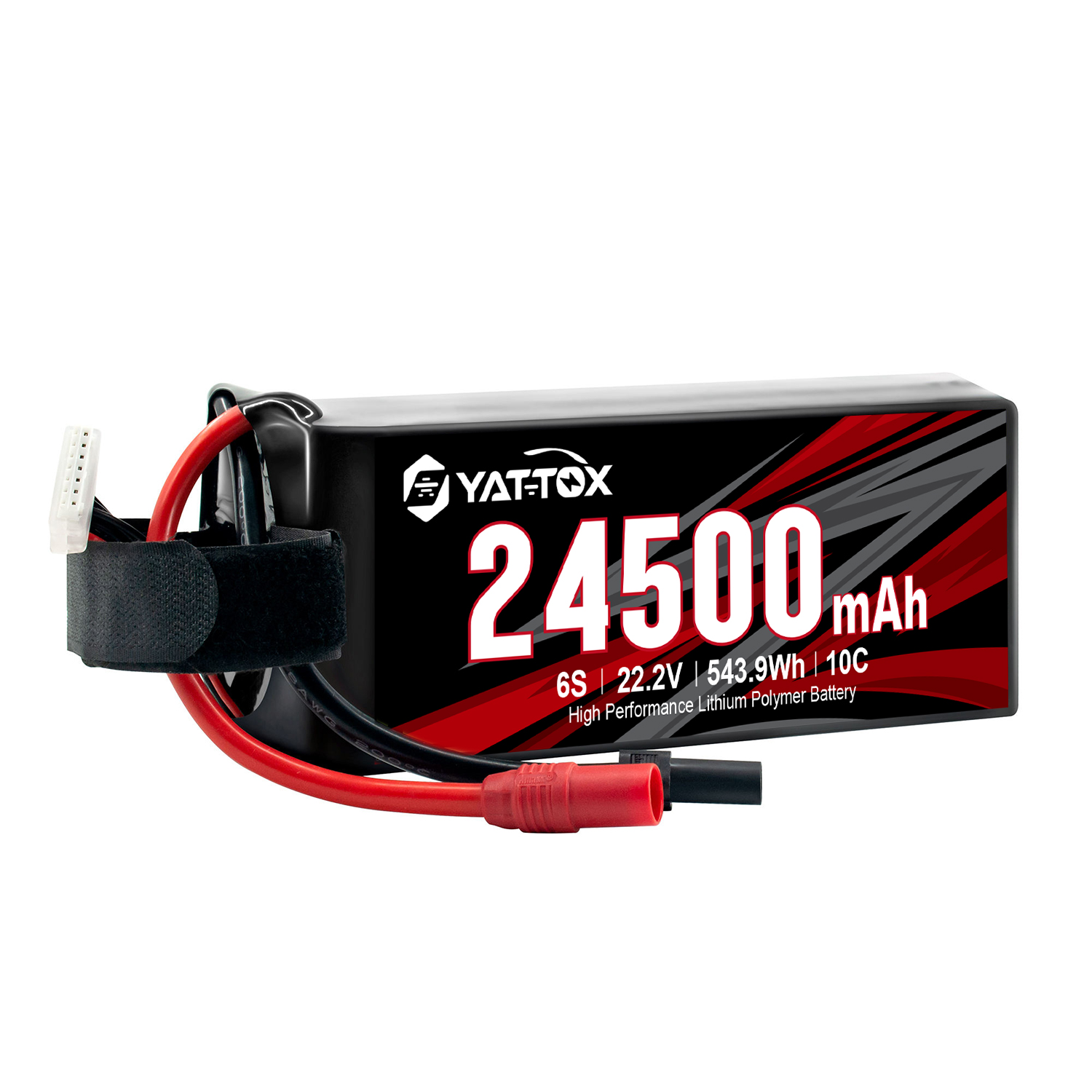
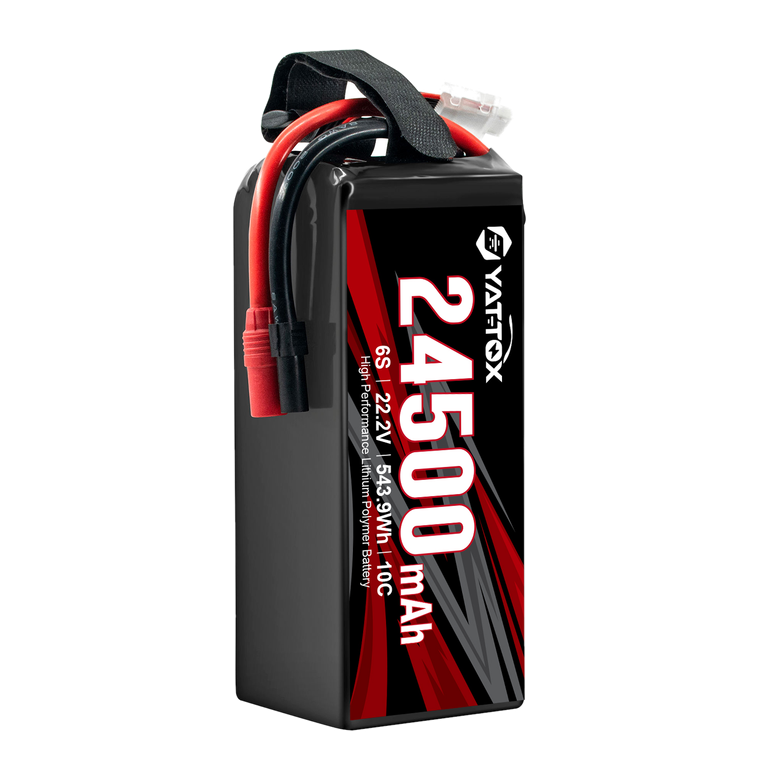
A 24.5Ah UAV LiPo battery with 543.9Wh of nominal stored energy, built on a 6S 22.2V platform and marked 10C. Compare the pack against your aircraft’s energy demand and physical integration requirements before selecting it.
·Configuration: 6S
·Nominal Voltage: 22.2V
·Capacity: 24,500mAh
·Nominal Energy: 543.9Wh
·Discharge Rate: 10C (label rating)
543.9Wh in a 6S LiPo Configuration
543.9Wh in a 6S LiPo Configuration
The 24.5Ah configuration sits above the 22Ah version in nominal stored energy while retaining the same 22.2V platform. For UAV integration, added watt-hours should be considered alongside pack mass, discharge demand and available mounting space.
The 55.5Wh Step from 22Ah
At the same nominal voltage, the 22,000mAh version is labeled 488.4Wh and the 24,500mAh version 543.9Wh. That is 55.5Wh more nominal energy, or approximately 11.4%. It is not a measured increase in usable energy or flight duration.
Mission Demand Before Capacity
A capacity increase is most useful when the airframe can accommodate the resulting pack weight and volume without compromising propulsion efficiency or payload requirements. Check the mission power profile and landing reserve before making the selection.
24500mAh 6S LiPo Battery Specifications
The specifications below describe the published electrical ratings for this 24.5Ah pack. Weight, dimensions and main connector are not stated in the available model image, so they are not presented here as confirmed figures.
Mechanical Fit and Lead Clearance for the 24.5Ah Pack
Verify the available battery-bay space, restraint method and lead exit path against the actual pack before integration. A voltage and capacity match alone cannot establish whether a battery will fit securely in a UAV.
Battery-Bay Envelope
Compare the physical pack dimensions and cable bend clearance with the aircraft’s battery compartment. The mount must support the pack under the aircraft’s expected operating loads without placing strain on the pouch or terminals.
Lead Routing and Connector Verification
Confirm the actual main plug, mating connector, polarity, cable routing and strain relief from the supplied product and aircraft documentation. Connector appearance in a thumbnail is not sufficient to establish a rated current or a specific connector model.
Current Demand and the Printed 10C Rating
The pack is labeled 10C, but the aircraft’s continuous and peak current, duty cycle, wiring and thermal conditions must still be assessed. Do not rely on a nominal C-rate alone to establish system compatibility.
Aircraft-Side Electrical Limits
Review controller and propulsion voltage limits, expected current draw and protection requirements alongside the pack’s verified operating data. Ask for test conditions if a design relies on a particular sustained output level.
Charging-System Compatibility
A charger intended for a 6S LiPo configuration must use the correct charge profile and supported connector arrangement. Confirm charge-current limits and balance-lead details from the product specification before integration.
24.5Ah Versus the 22Ah and 29.5Ah Options
Compare the nominal energy increase at the same 22.2V platform before deciding whether this capacity step meets your mission needs. Electrical equivalence does not establish equal weight, installation fit or flight time.
The 24.5Ah model offers 55.5Wh more nominal energy than 22Ah and 111Wh less than 29.5Ah. These figures compare labeled energy only; aircraft performance depends on the complete pack and mission profile.
Information Needed to Review a 24.5Ah Pack
To review this UAV battery pack for an aircraft project, provide the operating voltage range, power demand, available space, required plug, target battery mass and expected quantity. These details help identify what must be confirmed before a technical recommendation.
Electrical and Mission Inputs
Share typical and peak load conditions, expected mission duration, reserve requirements and charging arrangement so the pack can be evaluated against the complete electrical system.
Mechanical and Supply Inputs
Specify the battery-bay drawing, mating connector and installation constraints, together with sample or production quantities. Request the latest dimensional drawing and product datasheet where necessary.
6S 24500mAh LiPo Battery FAQs
Answers to practical questions about the 24.5Ah pack’s nominal energy, installation and electrical integration. Final compatibility should be checked against the aircraft and the current product datasheet.
Does 543.9Wh mean my UAV can use all 543.9Wh in flight?
No. 543.9Wh is nominal stored energy calculated from 22.2V and 24.5Ah. Usable energy depends on operating voltage limits, discharge rate, temperature, battery condition and the reserve required for landing.
How much nominal energy does the 24.5Ah pack add over 22Ah?
The labeled values are 543.9Wh and 488.4Wh, a difference of 55.5Wh at the same 22.2V nominal voltage. That difference cannot be converted directly into a flight-time improvement.
Can the 24.5Ah pack replace any other 6S battery?
Not on capacity and voltage alone. Check actual pack dimensions and mass, connector type and polarity, wiring, discharge requirements and the aircraft’s installation envelope before changing configurations.
Is the 10C label enough to choose a connector for this battery?
No. A labeled C-rate does not specify the connector model or its acceptable duty-cycle and temperature conditions. Confirm the actual plug, cable assembly and measured current demand for the installation.
What details are needed to compare this pack with the 29.5Ah model?
Start with the 543.9Wh versus 654.9Wh nominal energy figures, then compare verified pack weight, dimensions, connector and load behavior. A higher mAh rating alone does not determine which pack performs better on the aircraft.
What should I include in a technical request for the 24.5Ah option?
Provide the UAV type, supported 6S voltage range, continuous and peak current, pack-space limits, target mass, mating connector, charging arrangement and planned order volume.
Other 6S Capacities to Evaluate
Review neighboring 6S LiPo configurations by nominal energy and request detailed dimensions and connector information where needed. Browse the complete UAV battery packs range for additional options.
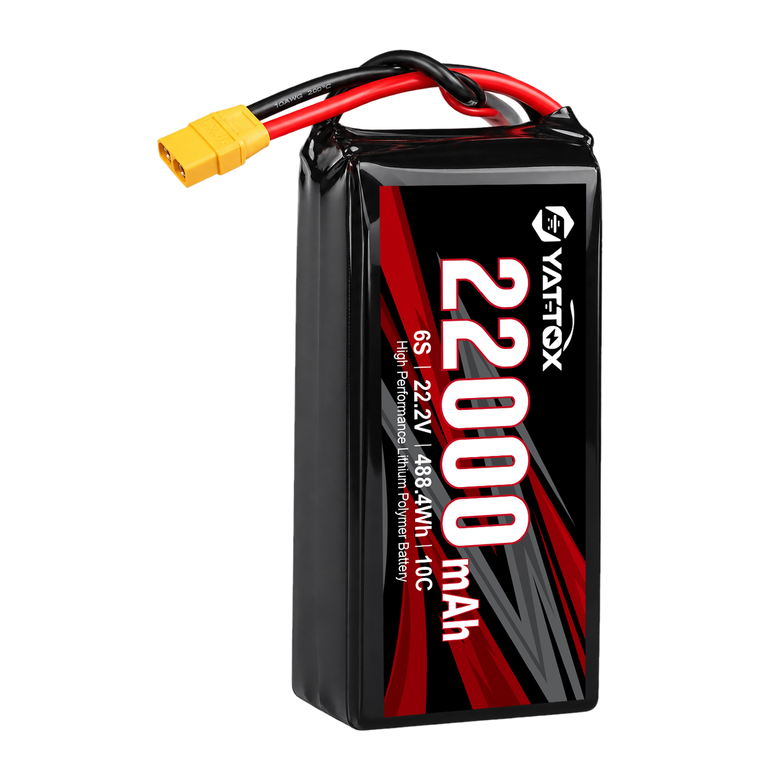
6S 22000mAh LiPo Battery
22.2V · 488.4Wh · 10C (labeled) — the neighboring lower-capacity 6S option.
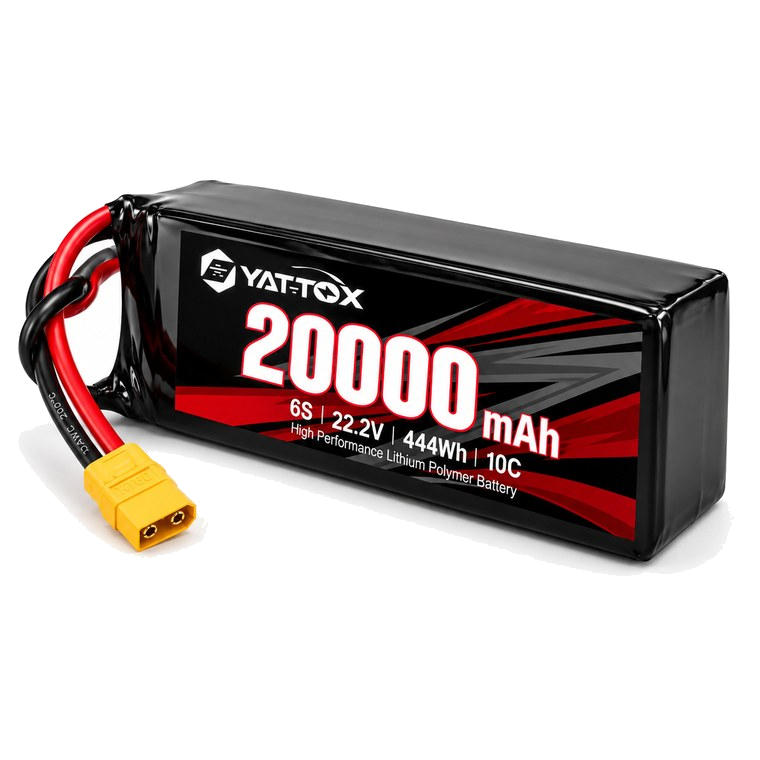
6S 20000mAh LiPo Battery
22.2V · 444Wh · 10C (labeled) with an XT90 connector.
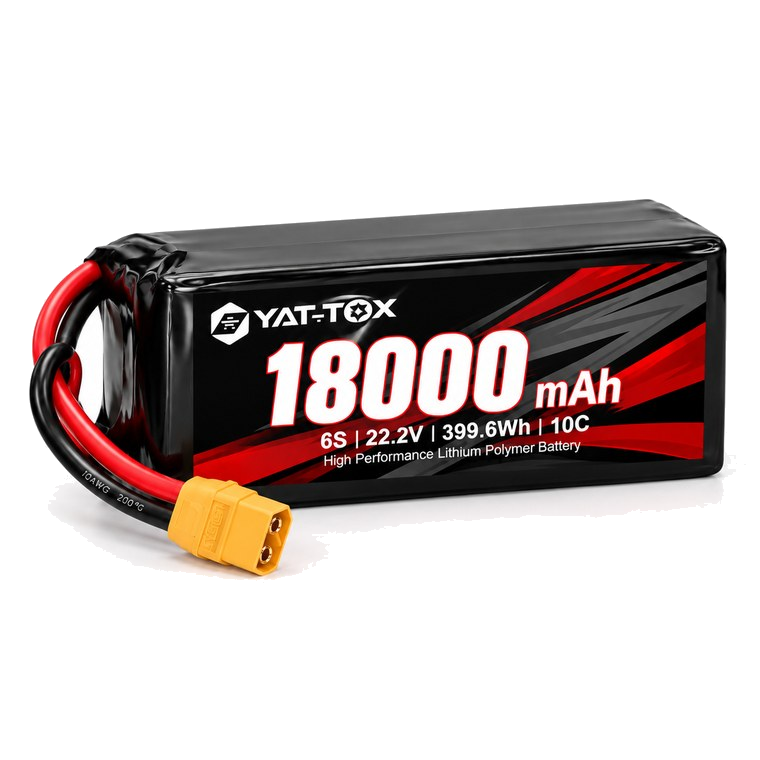
6S 18000mAh LiPo Battery
22.2V · 399.6Wh · 10C (labeled) for longer-endurance missions.
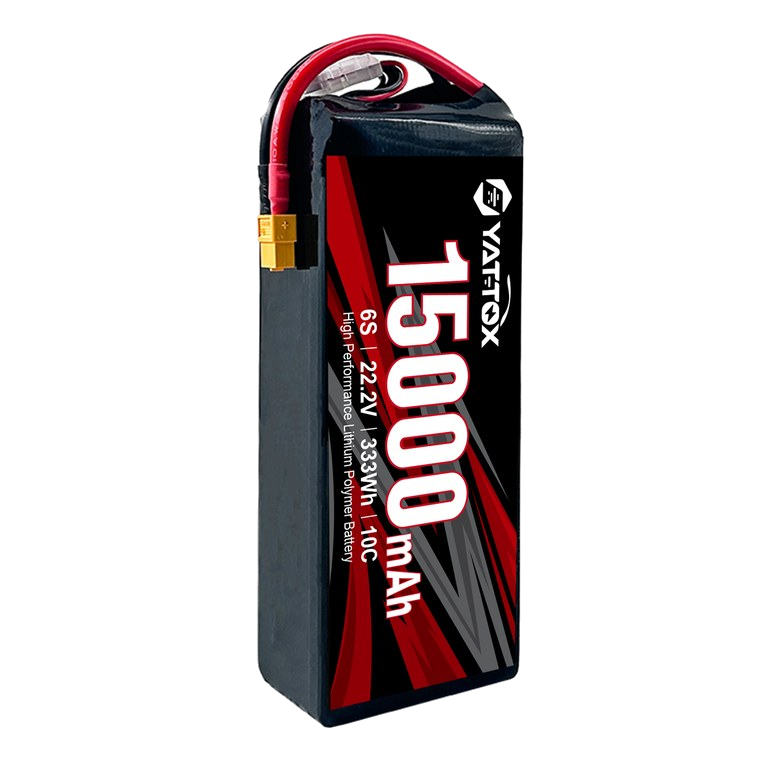
6S 15000mAh LiPo Battery
22.2V · 333Wh · 10C (labeled) — a mid-range capacity step.
Return to UAV Battery Packs for the full 6S range.
Review the 24.5Ah Option for Your UAV Project
Send your aircraft’s electrical and mounting requirements to discuss whether the 6S 24,500mAh configuration is appropriate for your project.
Provide your aircraft voltage, current and mounting requirements for a configuration discussion.
Related Products
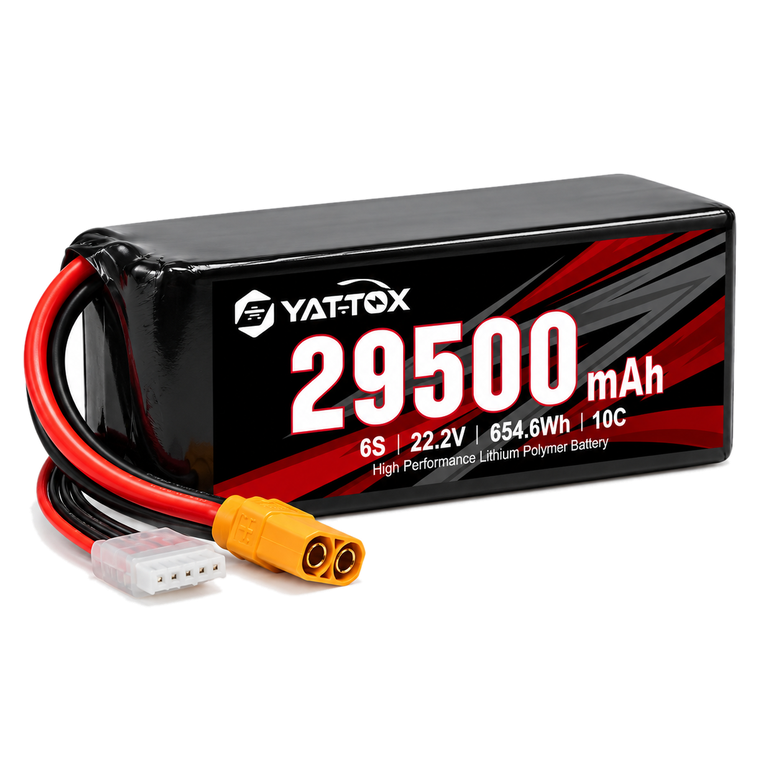
6S 29500mAh 22.2V LiPo Battery
Rated at 22.2V and 654.9Wh, this 6S 29,500mAh LiPo battery features a 1,512g specified pack weight and an XT90 connector. Evaluate its energy requirement, mounting space and charging arrangement before ordering.
·Configuration: 6S
·Nominal Voltage: 22.2V
·Capacity: 29,500mAh
·Nominal Energy: 654.9Wh
·Discharge Rate: 10C (label rating)
·Net Weight: 1,512g
·Dimensions: 187 × 65 × 77mm
·Main Connector: XT90
6S 22000mAh 22.2V LiPo Battery
The YATTOX 6S 22000mAh UAV LiPo battery provides 488.4Wh of nominal energy at 22.2V, with a 10C label rating. Its listed 1,542g weight, 187 × 77 × 55mm dimensions and XT60 connector are key considerations when evaluating the aircraft’s energy demand, installed mass and wiring compatibility.
·Configuration: 6S
·Nominal Voltage: 22.2V
·Capacity: 22,000mAh
·Nominal Energy: 488.4Wh
·Discharge Rate: 10C (label rating)
·Pack Weight: 1,542g
·Main Connector: XT60
6S 18000mAh 22.2V LiPo Battery
With 399.6Wh of nominal stored energy in a 6S LiPo configuration, this 18Ah YATTOX pack offers a capacity step between the 15Ah and 20Ah options. Its 22.2V nominal voltage and labeled 10C rating provide a starting point for reviewing a UAV power system—not a standalone compatibility or flight-time guarantee.
·Configuration: 6S
·Nominal Voltage: 22.2V
·Capacity: 18,000mAh
·Nominal Energy: 399.6Wh
·Discharge Rating: 10C (label rating)