


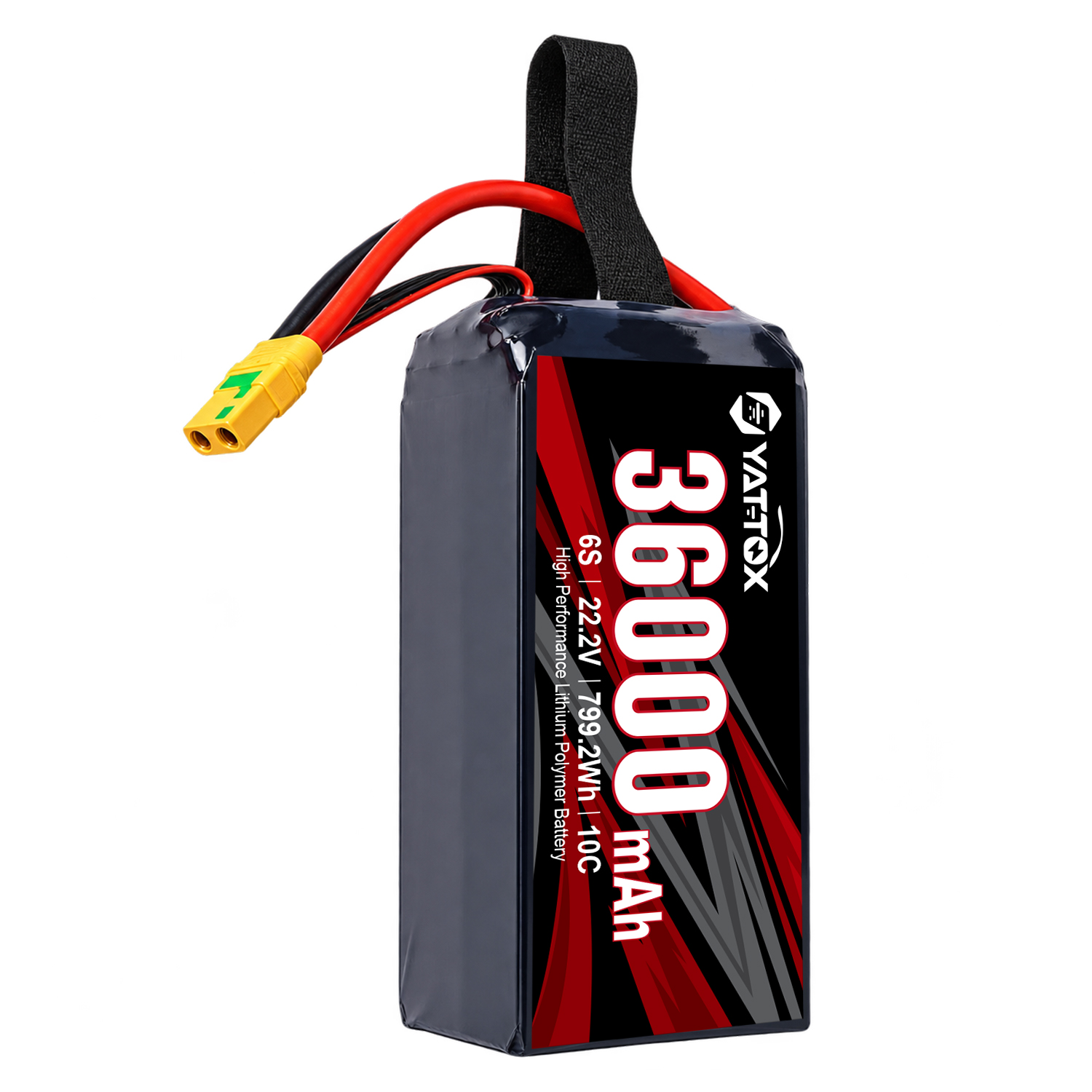
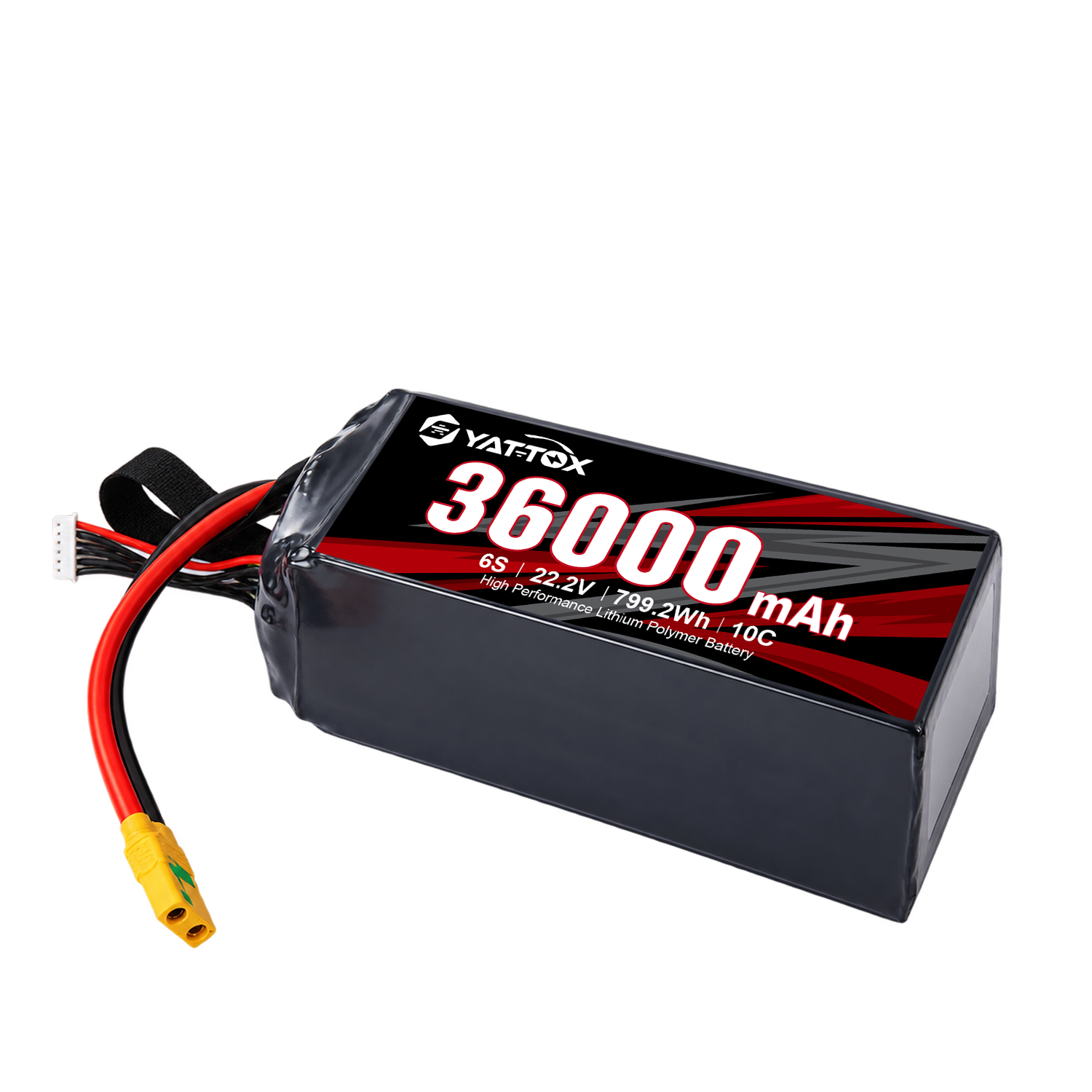
6S 36000mAh 22.2V LiPo Battery
Rated at 22.2V with 799.2Wh of nominal energy, this 6S 36,000mAh lithium polymer battery carries a labeled 10C discharge rate. It is designed for UAV power applications where capacity, voltage and system compatibility must be evaluated together.
·Configuration: 6S
·Nominal Voltage: 22.2V
·Capacity: 36,000mAh (36Ah)
·Rated Energy: 799.2Wh
·Discharge Rate: 10C (label rating)
36Ah and 799.2Wh for UAV Power
36Ah and 799.2Wh for UAV Power
A 36Ah lithium polymer pack adds a higher-capacity option to the 6S range. Its 22.2V platform and 799.2Wh rated energy are key reference points when assessing onboard power requirements.
Evaluate Energy Against the Mission
Use the 799.2Wh nominal rating as a starting point, then compare it with the planned power profile, mission reserve and aircraft load. Nominal energy is not a guarantee of usable output in flight.
Confirm Integration Before Selection
Battery mass, available installation space, operating current and connection requirements all affect suitability. Capacity alone does not determine flight time.
22.2V 6S Battery Specifications
The main electrical specifications of this 36,000mAh LiPo battery are listed below. Weight and dimensions are approximate and should be checked against the battery supplied for your project.
What Does 799.2Wh Mean for Battery Selection?
Rated energy is calculated from nominal voltage and capacity:
22.2V × 36Ah = 799.2Wh
This 799.2Wh figure describes the battery's nominal energy rating. It is useful when comparing configurations and estimating the energy a UAV mission may require. Rated energy is not the same as guaranteed usable energy: available energy depends on discharge limits, load, temperature, battery condition and the system's voltage requirements. Use actual power-consumption data and an appropriate operating reserve when planning a mission.
Matching Battery Capacity to UAV Mission Requirements
Selecting a high-capacity drone battery starts with the aircraft's energy demand, not capacity alone.
Mission Energy Demand
Estimate the power consumed by propulsion, flight control, communication, sensors and other onboard equipment across the planned operation.
Payload and Takeoff Weight
Include the battery, payload, mounting hardware and all onboard equipment when assessing takeoff weight and payload allowance.
Operating Reserve
Set an appropriate energy reserve based on the flight plan and operating environment rather than planning to use the full rated energy.
Mission Profile
Hovering, forward flight, takeoff, climbing and changing payload create different power demands. Use representative operating data instead of a single average figure.
These checks help determine whether the 36Ah capacity suits a specific UAV platform. Actual flight time must be established through system-level evaluation and testing.
Checking Voltage and Electrical Compatibility
Before integrating a 6S battery, verify that the UAV power system is designed for the battery's voltage range and electrical requirements.
Voltage Compatibility
Check the equipment manufacturer's supported configuration and operating voltage range. A 22.2V nominal rating alone does not establish compatibility with every 6S system.
Current Requirements
Compare expected operating and transient current with the battery's documented discharge capability. The 10C label should not be treated as a verified continuous or peak current without supporting product data.
Connection and Polarity
Check the main power connector, balance lead, polarity, wire arrangement and mating connector before installation. Connector appearance alone is not enough to establish compatibility.
Mechanical Fit
Compare the battery compartment, mounting arrangement and cable clearance with the approximate dimensions. Allow for secure retention and vibration protection.
Charging Requirements for a 6S LiPo Battery
Use a charger designed for lithium polymer batteries and compatible with a 6S cell configuration. Follow the battery manufacturer's charging instructions and the charger's operating guidance.
Check Before Charging
Confirm the selected cell count, charging mode, voltage settings, balance lead connection and charging-current limits. Use the specified balance-charging procedure where required, and charge in a monitored area.
Do Not Infer Charge Rate From Capacity
Do not select a charging current based only on battery capacity. The permitted charging rate must follow the battery manufacturer's specification.
FAQ About the 6S 36,000mAh LiPo Battery
Answers focus on the 36Ah specification, energy rating and the practical checks before integration.
How much energy does a 6S 36,000mAh LiPo battery provide?
It has a nominal energy rating of 799.2Wh, calculated from 22.2V × 36Ah. Actual usable energy depends on operating conditions and discharge limits.
What is the difference between a 36Ah and a 33Ah battery?
A 36Ah battery has 3Ah more nominal capacity than a 33Ah battery. At the same nominal voltage of 22.2V, their rated energies are 799.2Wh and 732.6Wh respectively. The higher rating does not by itself guarantee longer flight time because battery mass, aircraft load and power consumption also matter.
Does a higher-capacity LiPo battery always provide longer flight time?
No. Flight time depends on the aircraft's power consumption, battery mass, payload, flight profile, operating conditions and usable energy. Capacity is one factor in the complete system calculation.
How do I estimate the energy needed for a UAV mission?
Estimate the electrical load over the planned mission duration, include all onboard equipment and account for takeoff, climbing, hovering and other operating phases. Apply an appropriate reserve based on the system and mission requirements.
Is a 22.2V 6S battery compatible with every 6S UAV?
Not automatically. Check the equipment's supported voltage range, current demand, connector polarity, wiring and physical installation space before selecting a battery.
Does a 10C discharge rate mean the battery can continuously deliver 360A?
No. Multiplying 36Ah by 10C gives a theoretical current calculation of 360A, but this does not establish the verified continuous or peak discharge capability. Those limits must be defined by the product's discharge specifications or test data.
Explore Related 6S Options
Compare nearby 6S capacities when balancing nominal energy, installed mass and interface requirements.
Explore the YATTOX UAV Battery Range for the full 6S selection.
Discuss Your UAV Battery Requirements
Share your equipment and operating requirements with YATTOX to evaluate a suitable power configuration.
Provide voltage, capacity, operating and peak current, installation space, connector requirements and intended application for a configuration discussion.
Related Products
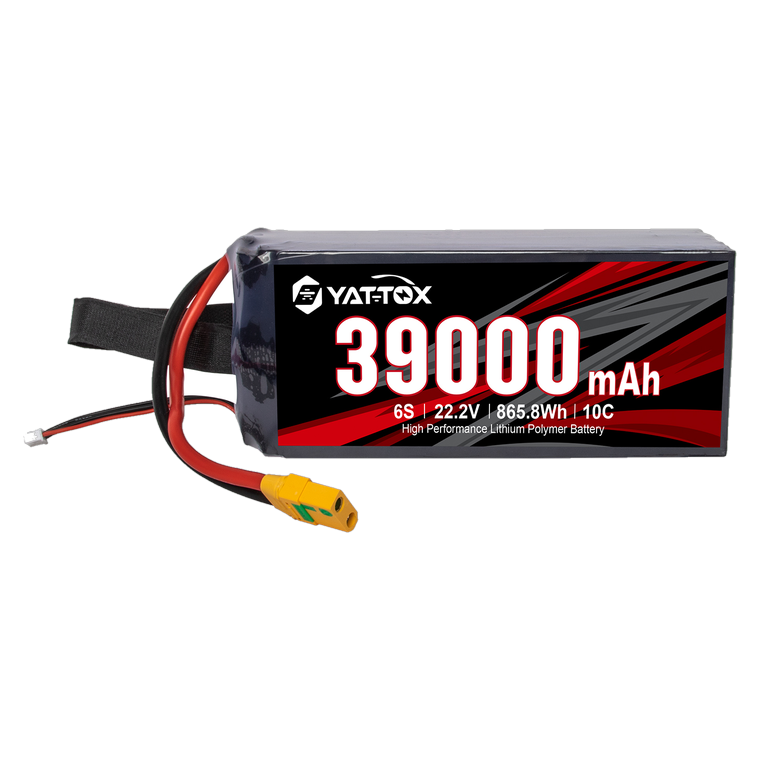
6S 39000mAh 22.2V LiPo Battery
The YATTOX 6S 39,000mAh lithium polymer battery provides a 22.2V nominal platform with 865.8Wh of rated energy. Review its capacity, physical fit and electrical requirements when evaluating a battery configuration for your UAV project.
·Configuration: 6S
·Nominal Voltage: 22.2V
·Capacity: 39,000mAh (39Ah)
·Rated Energy: 865.8Wh
·Discharge Rate: 10C (label rating)
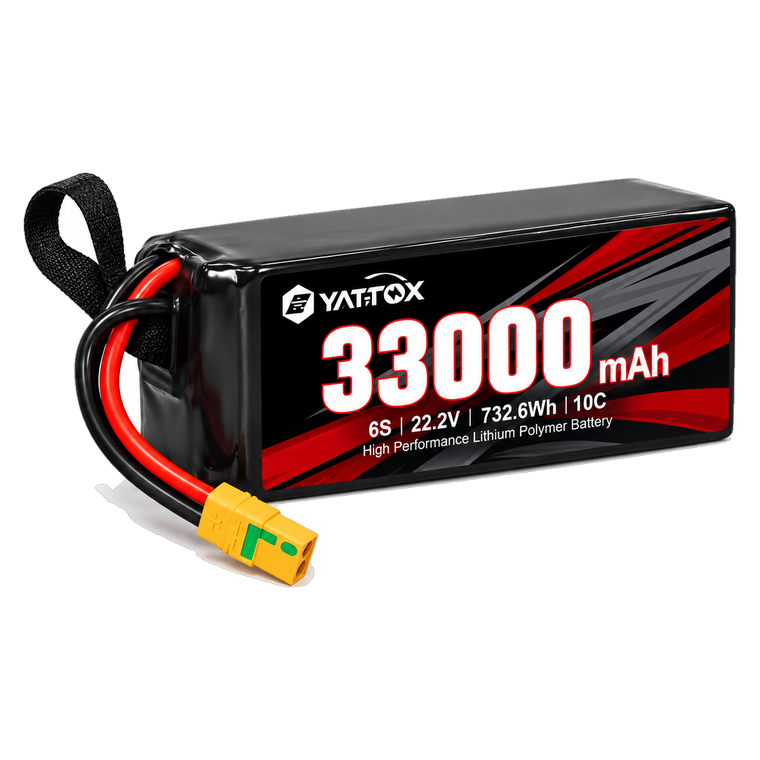
6S 33000mAh 22.2V LiPo Battery
Rated at 22.2V with 732.6Wh of nominal energy, this 6S 33,000mAh LiPo battery carries a labeled 10C discharge rating. Confirm charging, current and installation requirements against your aircraft before ordering.
·Configuration: 6S
·Nominal Voltage: 22.2V
·Capacity: 33,000mAh (33Ah)
·Nominal Energy: 732.6Wh
·Discharge Rate: 10C (label rating)
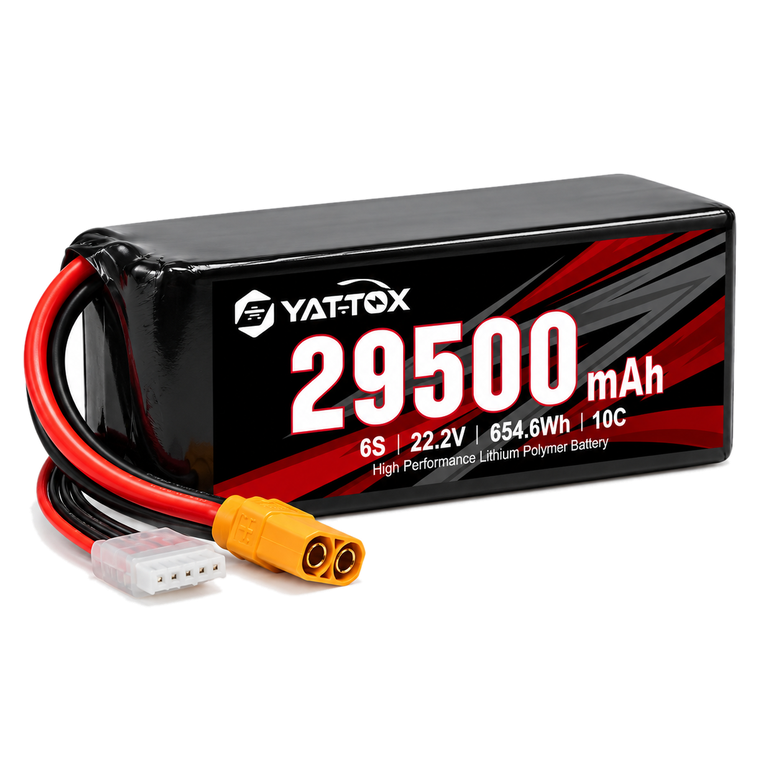
6S 29500mAh 22.2V LiPo Battery
Rated at 22.2V and 654.9Wh, this 6S 29,500mAh LiPo battery features a 1,512g specified pack weight and an XT90 connector. Evaluate its energy requirement, mounting space and charging arrangement before ordering.
·Configuration: 6S
·Nominal Voltage: 22.2V
·Capacity: 29,500mAh
·Nominal Energy: 654.9Wh
·Discharge Rate: 10C (label rating)
·Net Weight: 1,512g
·Dimensions: 187 × 65 × 77mm
·Main Connector: XT90